


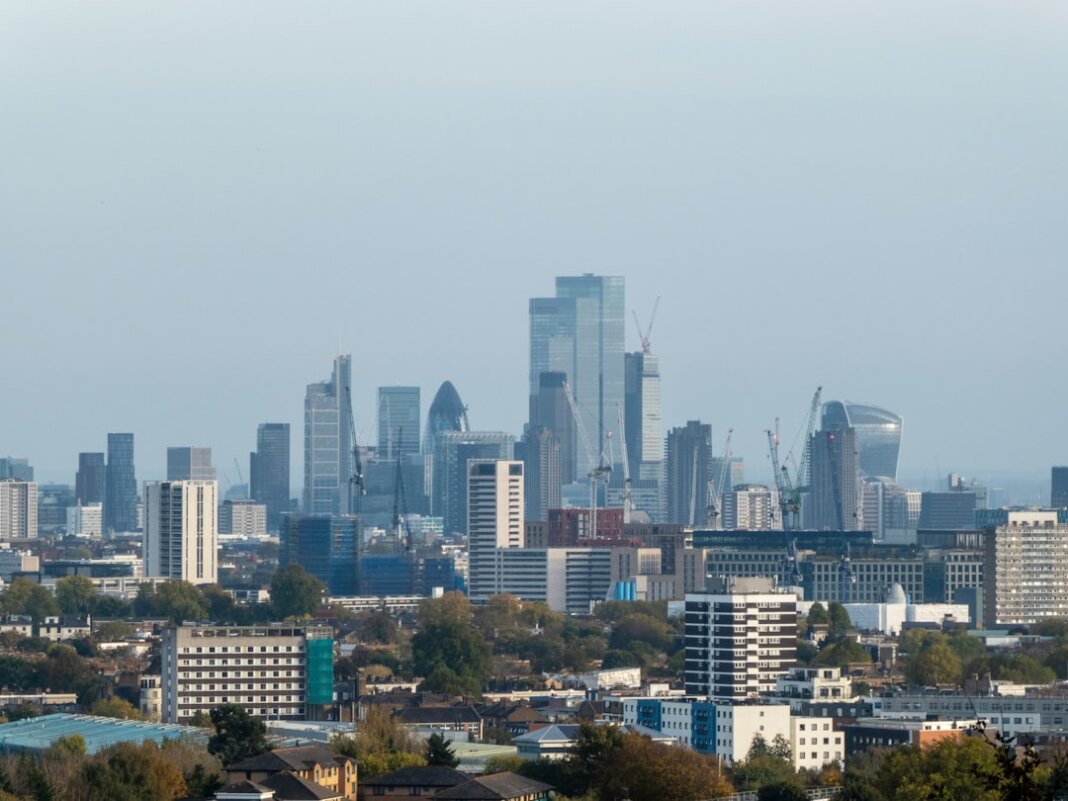
One of the great pleasures of visiting a major city is rising above street level and seeing the whole landscape spread out before you—understanding the geography, seeing how the pieces fit together, experiencing the scale and grandeur of human settlement. London, with its vast extent, its winding river, and its architectural variety, is particularly rewarding from above. The city sprawls across both sides of the Thames, with distinct neighborhoods, parks, and quarters that all make sense once you’ve seen them from a height.
But finding the best viewpoints in London requires a bit of knowledge. Yes, there are the famous ones—the London Eye, Tower Bridge, the top of The Shard—but if you’re willing to do a bit of exploring, there are viewpoints that are equally spectacular, far less crowded, and often free or significantly cheaper. This is a guide to seeing London from above, from the most famous tourist spots to the local secrets that make Londoners feel like they’ve stumbled onto something special.
The Sky Garden: The Best Free View in Central London
If you want a world-class view of London without paying a penny, the Sky Garden is your destination. Located on the 35th, 36th, and 37th floors of the Walkie Talkie building on Fenchurch Street, the Sky Garden offers 360-degree views of London that are genuinely breathtaking. You can see all the way to the edge of London on a clear day—the green spaces of the suburbs, the distant hills, and in the opposite direction, the dense urban landscape of the City, Westminster, and beyond.
What makes the Sky Garden particularly special is that it’s completely free. You don’t need to buy a ticket; you don’t need to make an advance reservation (though it’s a good idea to do so on busy days, as they do have a capacity limit). You simply go to the website, book a time slot online, go through security, and ride the elevator up. The views are comparable to any paid observation deck in the city, and the experience of looking out over London from this vantage point is genuinely awe-inspiring.
The Sky Garden itself is beautifully designed, with plants and seating areas, and there’s a restaurant and bar where you can purchase food and drinks. But honestly, if you’re on a budget, you can simply visit the open-air viewing area, spend as long as you like looking out over the city, and leave without spending any money beyond the cost of getting to Fenchurch Street. The views from the different levels are slightly different—you get different perspectives depending on where you are on the three floors—so it’s worth exploring all of them.
The best time to visit is in the late afternoon or early evening when the light is golden and the city is beginning to light up. The views at dusk are spectacular, and if you stay through the early evening, you can see the city transition from daylight to night, with lights beginning to twinkle across the landscape. But even in the middle of the day, the views are remarkable.
The Shard: The Most Iconic Modern Viewpoint
If the Sky Garden is the best free view, the Shard is the most dramatic. The Shard is the tallest building in Western Europe, a glass and steel needle designed by Renzo Piano that soars to 310 meters. On clear days, the views from the observation decks (there are multiple levels open to the public) extend 40 miles in all directions. You can see Windsor Castle on a clear day. The sense of height and exposure is quite extreme—you’re looking down on the city from a vantage point that feels genuinely vertiginous.
The Shard is expensive (admission is around £30-40 (about $40-54) depending on what time of day you visit), but many people feel it’s worth the cost. The views are undeniably spectacular, and there’s something uniquely thrilling about being this high up in a transparent building, feeling like you’re suspended in the sky above London. The building is particularly beautiful at night, when it’s illuminated, and visiting in the evening adds to the sense of drama.
One tip: the Shard gets incredibly crowded during the day, especially in summer. If you do decide to visit, try to go early in the morning or in the evening, when it’s less packed and the light is often more interesting. Also, on very hazy days, the views are disappointing, so it’s worth waiting for a clear day if you have the flexibility.
The Shard is located at London Bridge, and you can combine it with visits to the nearby Borough Market, the Tate Modern, and other South Bank attractions. There’s also a rather upmarket bar and restaurant inside the Shard if you want to combine your view with a meal or drink, though the prices are significantly higher than anywhere else in London.
St Paul’s Cathedral: The Classic London View
St Paul’s Cathedral remains one of the iconic viewpoints in London, and for good reason. The cathedral itself is a masterpiece, but the views from the Whispering Gallery (a circular walkway around the inside of the dome, 30 meters up) and the Stone Gallery (even higher, at 53 meters) are wonderful. From the Stone Gallery in particular, you get a 360-degree view of London that’s particularly beautiful because you’re looking out from beneath the iconic dome.
Climbing to the galleries involves quite a lot of steps—528 to reach the Stone Gallery, 643 to reach the Golden Gallery at the very top of the dome—so you need to be reasonably fit. But the climb is worthwhile. The spiral staircase takes you up through the interior of the dome, and you get to experience the cathedral from the inside in a way that’s not possible from ground level.
The views from St Paul’s are particularly good in the morning, when the light is clear and the city is still relatively quiet. You can see the Thames winding through London, the bridges spanning it, and the array of buildings—old and new—that make up London’s skyline. To the east, you can see the City’s financial district with its tall buildings. To the west, you can see Westminster with Big Ben and the Houses of Parliament. To the south, you can see over the Thames to the Tate Modern and the neighborhoods of South London.
St Paul’s is particularly beautiful on the anniversary of its completion (it reopened in 1697 after the Great Fire), and this is commemorated with a special evensong. But really, any time you visit, the experience of climbing up through this architectural masterpiece and emerging into daylight with the city spread out before you is memorable.
Parliament Hill: The Local Favorite
If you want a viewpoint that feels authentically London—the kind of place that Londoners go to on Sunday afternoons—then Parliament Hill in Hampstead is hard to beat. Located on the northern edge of Hampstead Heath, Parliament Hill is completely free, requires no advance booking, and offers one of the best panoramic views of Central London.
The view from Parliament Hill is slightly different from the others mentioned here. Rather than looking down at the dense urban fabric of the city, you’re looking across at it from a distance, seeing the major landmarks—St Paul’s, The Shard, Tower Bridge, Big Ben—rising up above the surrounding buildings and the green spaces of the city. It’s a more comprehensible view in some ways, showing you the “picture-postcard” London that you might see in photographs.
What makes Parliament Hill special is the experience of getting there and being there. Hampstead Heath is one of London’s most beautiful and important green spaces, and walking through the Heath to reach Parliament Hill is a lovely experience in itself. The Hill itself is usually scattered with people—families, joggers, artists sketching the view, people flying kites. There’s a sense of being part of the London community in a way that you don’t get at the commercial viewpoints.
In spring and summer, Parliament Hill is even more beautiful, with wildflowers dotting the grassland and the sense of being in nature despite being surrounded by the city. On a clear day, the views are tremendous. On a hazy day, you can still see the major landmarks silhouetted against the sky. And at sunset, the light on the buildings can be really beautiful.
There are no facilities at Parliament Hill itself, so bring water and perhaps a snack. The Heath has several cafés and pubs around its perimeter, so you can grab refreshments before or after. It’s the kind of place where you can easily spend an hour or two, sitting on the grass and watching the light change over the city.
Primrose Hill: The Instagram-Famous View
Primrose Hill, just north of Regent’s Park, has become the most photographed viewpoint in London, largely because it offers an iconic view of the city with St Paul’s Cathedral perfectly positioned in the center of the frame. Every sunset, dozens of photographers and phone-wielders gather at the summit of Primrose Hill, setting up tripods and waiting for the light to be just right.
The location has become so famous that it can feel rather busy, especially at popular times. But the view is undeniably spectacular, and there’s something fun about being part of this communal act of photographing the city. If you’re interested in photography, Primrose Hill is worth visiting early in the morning or in the late afternoon to capture the light at its best.
Primrose Hill itself is a small park, and the hill is quite modest—you can climb it in a couple of minutes—but the 360-degree view from the summit is genuinely excellent. To the south and east, you get that iconic view of St Paul’s and the City. To the north and west, you can see over the green spaces of North London into the suburbs beyond.
The area around Primrose Hill is lovely, with the adjacent Regent’s Park offering beautiful gardens and walking paths. There are restaurants and cafés on the surrounding streets, particularly in the charming village-like area of Primrose Hill village with its independent shops and cafés. Combining a visit to Primrose Hill with a walk through Regent’s Park and an afternoon exploring the neighborhood is a lovely way to spend a day in North London.
Tate Modern Viewing Level: Art and Views Combined
The Tate Modern art gallery, housed in a converted power station on the South Bank of the Thames, has a free-to-access viewing level on the seventh floor. For most visitors, this is a genuine bonus—you come to see the art, and then you discover this wonderful viewing platform offering views across London.
The views from the Tate Modern viewing level are particularly good because of the location and perspective. You’re looking north across the Thames to the City, with St Paul’s Cathedral directly visible. To the east, you can see Tower Bridge and the historic buildings of the City. To the west, you can see Westminster with the Houses of Parliament. The proximity to the Thames and the buildings on both sides of it means you get a real sense of London’s relationship with the river.
What’s particularly nice is that you can combine your view with the exceptional art that the Tate Modern hosts. The gallery itself is free to enter (there’s a charge for special exhibitions, but the main galleries are free), so you can spend an hour looking at contemporary art and then go out onto the viewing level to see the actual city, creating an interesting dialogue between art and reality.
The Tate Modern is located at the south end of the Millennium Bridge, which itself has become an iconic London landmark. Walking across the bridge from St Paul’s Cathedral to the Tate Modern is a lovely experience, and the views from the bridge itself are lovely.
Greenwich Observatory: A View with History
Located on a hill in Greenwich, the Royal Observatory offers views across London and the Thames from an elevated vantage point. The Observatory is historically significant—it’s where the Prime Meridian is defined and where Greenwich Mean Time originates—but it’s also an excellent viewing location.
The views from Greenwich are particularly good because of the setting. You’re looking west toward central London, and you get a sense of the Thames winding through the city. You can see the Isle of Dogs with Canary Wharf’s tall buildings rising up. The location feels more removed from the city than the central viewpoints, which can be refreshing.
The Observatory is part of a larger historic site that includes beautiful buildings and gardens. You can visit the Observatory, see the historic scientific instruments, and learn about the history of navigation and timekeeping. The surrounding Greenwich Park is one of London’s most beautiful parks, with mature trees and excellent walking paths.
Alexandra Palace: The North London Panorama
Alexandra Palace, a Victorian entertainment venue in North London, offers sweeping views across London from its elevated position. The venue is somewhat less touristy than some of the other viewpoints, and it’s particularly good if you’re interested in views of North London and the suburbs beyond. On a clear day, the views extend for miles.
Alexandra Palace is primarily a concert and events venue, so visiting for the views requires checking what’s going on and potentially timing your visit around events. But if you can access the viewpoints (sometimes available to event attendees or during open events), the views are excellent and distinctly less crowded than the major tourist viewpoints.
Hidden Spots: St Dunstan in the East and Other Secrets
Beyond the major viewpoints, there are numerous smaller locations that offer good views of London with far fewer visitors. St Dunstan in the East, a ruined medieval church near Tower Bridge, offers intimate views of the surrounding area and is particularly photogenic. The Barbican Conservatory, the Millennium Bridge at different times of day, and various rooftop bars and restaurants also offer good vantage points.
One of the pleasures of exploring London is discovering your own favorite viewpoints. A walk through a particular neighborhood might lead you to a bridge, a park, or a rooftop that offers an unexpected perspective on the city. These personal discoveries often feel more special than the famous ones.
Choosing Your Viewpoint
How you experience London from above depends on what you’re looking for. If you want the most dramatic modern perspective, the Shard is unbeatable. If you want the best free view, the Sky Garden is hard to beat. If you want to feel like a London local, Parliament Hill or Primrose Hill will give you that sense. If you want to combine viewing with other activities—art, history, walking—then St Paul’s, the Tate Modern, or Greenwich offer that integration.
The joy of viewing London from above is that the city never looks the same twice. The light changes dramatically with the seasons and the time of day. The view at sunrise is completely different from the view at sunset. A clear day gives you a view that’s entirely different from a hazy day. By visiting different viewpoints at different times, you can develop a deep understanding of London’s geography and a genuine affection for the city’s scale and complexity. The city unfolds beneath you, and you begin to understand not just where everything is, but how the different parts of London relate to one another, how the river and the green spaces structure the city, and how the layers of history—from medieval churches to Victorian buildings to modern glass towers—create the remarkable palimpsest that is contemporary London.


A Little Bit of London In Your Inbox Weekly. Sign-up for our free weekly London newsletter. Sent every Friday with the latest news from London!