



Here’s the uncomfortable truth that travel websites don’t like to admit: London isn’t cheap. The UK has inflation, London has tourism, and things cost money. But there’s a massive difference between “London is expensive” and “you can’t visit London without spending a fortune.” The second one isn’t true. You absolutely can do London on a realistic budget if you know what you’re doing.
I’ve put together this guide based on actual visitor experiences and actual current prices in 2026. Not the fantasy budget guides that suggest eating for £5 (about $7) a day (you can’t) or staying in Central London for £30 (about $40) a night (you can’t). This is honest, realistic budgeting for what you can actually spend and how to maximize your money in London.
The Free Museum Advantage
This is genuinely London’s greatest budget gift, and most visitors completely underutilize it. The major museums are free. All of them. The British Museum, the National Gallery, the Victoria and Albert Museum, the Natural History Museum, the Science Museum, the National Portrait Gallery—all free. You can wander around some of the world’s greatest collections for zero pounds.
There’s a caveat: these museums technically ask for a donation, and there’s some guilt involved if you don’t give money. Ignore the guilt. You’re not obligated. The donations are suggested, not required. Plenty of Londoners visit these museums for free without donating. If you want to chip in a few pounds, great. If you don’t, absolutely fine. Don’t let it stop you from using this amazing resource.
What this means is that you can spend entire days in world-class institutions without paying a penny. You can revisit museums multiple times. You can spend three hours in the British Museum and come back the next day to explore a different section. Compare this to US museum admission, which often runs £20-30 (about $27-40), and you’re already saving significant money.
The strategy is to use museums for serious exploration during the day, especially on rainy afternoons or when you’re taking a break from walking. The British Museum alone could occupy you for weeks if you really wanted to explore everything. The National Gallery is small enough that you can see the highlights in a couple of hours, then come back for deeper exploration later.
Specific advice: go early to avoid crowds, download maps before you arrive, and consider dedicating at least one full day to a major museum rather than trying to do everything in short bursts.
The Oyster Card and Off-Peak Travel
If you’re going to visit London for more than a day or two, get an Oyster card immediately at the airport or at any Underground station. You tap it on the reader at tube stations and buses, and it charges you per journey. The price you pay per journey is much lower if you use Oyster or contactless than if you buy individual paper tickets.
Even better: if you’re only here for a few days, consider getting a Visitor Oyster card, which you can add credit to and use for your entire trip. A single Zone 1 journey on the Tube costs £3.00 (about $4) off-peak and £3.10 (about $4) at peak times, and contactless and Oyster are charged exactly the same rate (this is 2026 pricing and varies by zone). For buses it’s £1.75 (about $2) regardless, but you get a daily cap with Oyster that limits your spend.
The real money-saver is understanding off-peak travel. Travel before 6:30 a.m. or after 10:30 p.m. on weekdays, or anytime on weekends, and the fares are lower. Daily and weekly caps on Oyster fares are also significantly cheaper than individual journey prices. A day of heavy Tube use could cost you £15-20 (about $20-27) on pay-as-you-go individual tickets, but with the daily cap, you pay around £8-9 (about $11-12) instead.
Bottom line: use your contactless credit card or an Oyster card (both get you the same pay-as-you-go pricing), travel before 6:30 a.m. when you can, and plan your big sightseeing days for weekends to get the lower off-peak fares.
Strategic Eating for Budget Travelers
This is where most budget guides lie to you. You cannot eat well in London for £5 (about $7) a day. You can’t. A basic Pret A Manger sandwich costs £5-6 (about $7-8). A coffee is £3-4 (about $4-5). A cheap meal from a chain restaurant is £10-15 (about $13-20). Accept this reality and budget accordingly.
Here’s what actually works: hit the supermarkets for breakfasts and lunch ingredients. Tesco, Sainsbury’s, and Asda are everywhere and have excellent value. You can get a decent breakfast for £3-4 (about $4-5) from their own-brand items. A lunch salad or sandwich for £4-6 (about $5-8). Proper dinner from a supermarket ready-meal section is £4-8 (about $5-11). This isn’t exciting, but it’s honest and it saves money.
For actual dining out, focus on these budget-friendly options: pubs often have excellent lunch specials. A main course is £10-15 (about $13-20) instead of £18-22 (about $24-29). Many pubs do a “Happy Hour” or early evening special. Chain restaurants like Wagamama, Nando’s, and Italian chains are reasonably priced for what you get—main courses around £12-18 (about $16-24). Indian restaurants are genuinely good value; a main course is often £10-15 (about $13-20), and you can eat very well.
The £20-30 (about $27-40) dinner aesthetic is for special occasions. Your daily eating strategy should be: Tesco breakfast, packed lunch from the supermarket or Pret, and then either a pub meal or cheaper chain restaurant for dinner. Or you could do breakfast out, lunch from supermarket, and pack a dinner.
Borough Market is overpriced tourist food. Yes, it’s fun and historic. Yes, you should go. But it’s not budget eating. Street food stands vary wildly in price and quality. Be selective.
One honest point: London isn’t a cheap eating city even for locals. Food prices have risen significantly post-2020. Budget accordingly. Plan to spend £30-40 (about $40-54) per day on food if you’re eating out for one meal and picking up ready-meals or supermarket items for the rest.
Free and Cheap Activities Beyond Museums
Walking is free. London is a walking city. Some of the best experiences are simply walking through different neighborhoods. Walk along the Thames Path from Westminster Bridge to Tower Bridge—beautiful, free, takes a couple of hours. Walk through South Kensington’s museum quarter. Walk through Notting Hill or Shoreditch. Walk across the Millennium Bridge. These are all free and wonderful.
Parks are free. Hyde Park, Regent’s Park, St James’s Park, Richmond Park—all free to enter and explore. Bring a book or just sit and watch people. Spending an afternoon in a London park is a perfect budget day.
Free walking tours are legitimately good value. Various companies offer “pay what you wish” or tip-based walking tours. You get 2-3 hours of proper guided tour, led by knowledgeable guides who genuinely care about sharing London. You’re expected to tip £10-15 (about $13-20), so it’s not completely free, but it’s reasonable. The guides are usually excellent. Some popular routes: Jack the Ripper tours, historic London tours, food tours, Shakespeare’s London.
Street performers and buskers are everywhere and free to watch. The quality varies wildly, but some are genuinely talented. Watching a street musician or performer is free entertainment.
Church tours are often free or very cheap. St Paul’s Cathedral (around £27) and Westminster Abbey (around £31) do charge for entry (about $36-42), but many other churches in London are free to explore. Westminster Cathedral is free. Many parish churches are free. These are genuinely beautiful spaces.
Evening events are sometimes cheap or free. Shakespeare’s Globe offers standing room only tickets for around £5-10 (about $7-13). The Proms at the Royal Albert Hall are around £10-20 (about $13-27) for standing room. Free outdoor events happen regularly throughout the summer—cinema in parks, outdoor concerts, etc. Check Time Out London for what’s happening during your visit.
How Much to Budget Per Day
Here’s an honest breakdown for 2026, based on a frugal-but-comfortable approach:
Transport: £8-10 (about $11-13) per day with Oyster card (off-peak pricing, multiple journeys). If you’re staying in zone 2-3 and planning to explore throughout the city, you might use 4-6 journeys a day.
Food: £30-40 (about $40-54) per day. This assumes one restaurant meal (lunch or dinner, £12-18 (about $16-24)), one supermarket meal, and one breakfast from a café or supermarket (£4-6 (about $5-8) total).
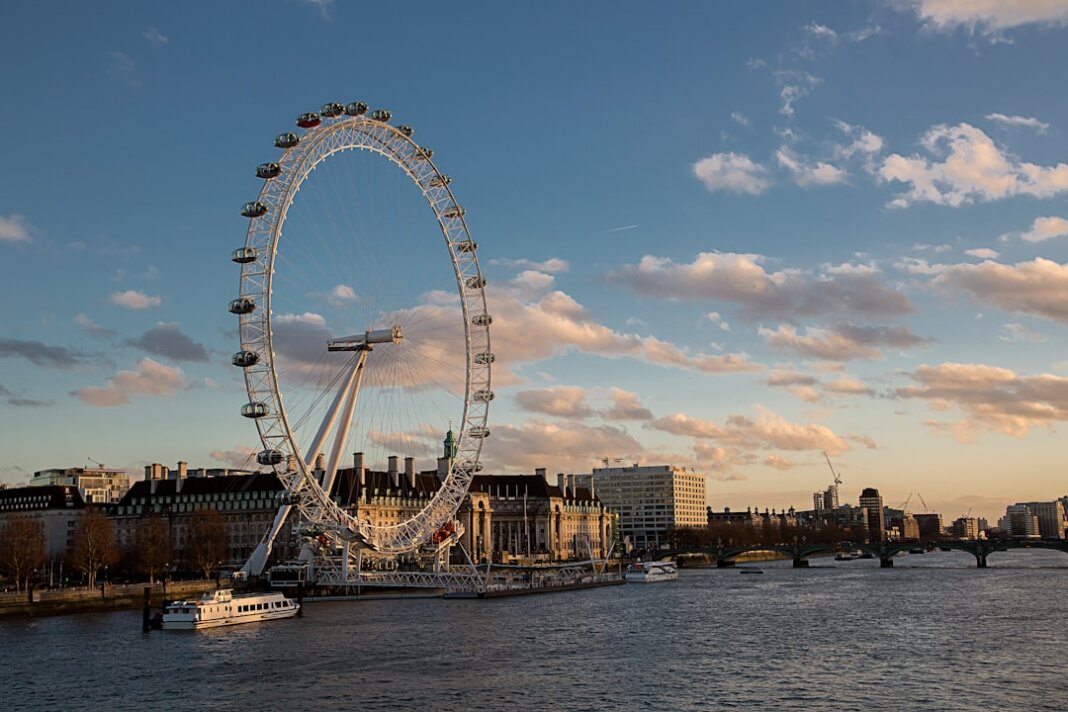
Attraction entry: Varies wildly. Major museums and galleries are free. If you’re doing paid attractions, budget £15-25 (about $20-34) per paid thing. A paid attraction like the Tower of London is around £34.80 online, and Westminster Abbey is around £31 online (about $47 and $42). Paid attractions like the London Eye are £30-35 (about $40-47). The observation decks of skyscrapers are £25-30 (about $34-40).
Miscellaneous: Budget £10-20 (about $13-27) for unexpected costs, ice cream, pub drinks, small purchases.
Total daily budget: £50-80 (about $67-107) per day (not including accommodation). This is genuinely doable if you’re strategic: free museums, supermarket eating, using Oyster card, walking a lot. You can do London for £60 (about $80) a day if you’re careful. You can also spend £200 (about $268) a day if you go to touristy restaurants and paid attractions constantly. The choice is yours.
Accommodation That Actually Works on Budget
This is hard because London accommodation is genuinely expensive. But there are strategies:
Hostels: Beds in hostels run £25-45 (about $34-60) per night depending on how central they are and the quality. You save money but sacrifice privacy and often spend more on food because you’re eating out more. Popular budget hostels include Premier Inn (actually a budget chain hotel, not a hostel), Travel Lodge, and various actual hostels in Zone 1-2.
Airbnb or budget hotels in Zone 2: You can find a private room in a house in Brixton, Peckham, Stratford, or other zone 2 neighborhoods for £50-80 (about $67-107). This gives you a kitchen, so you can make breakfast and cut food costs. Zone 1 Airbnbs are much pricier.
Budget hotel chains: Premier Inn, Travelodge, Jurys Inn, and similar chains offer rooms from £60-100 (about $80-134) per night. They’re not luxurious, but they’re clean, reliable, and in decent locations.
The dirty secret: if you’re saving money on accommodation, you’re paying more for food (eating out constantly). If you get an Airbnb with a kitchen, you save on food but might pay more for accommodation. Find your balance. A zone 2 Airbnb at £70 (about $94)/night plus supermarket food is often better value than a central hostel at £40 (about $54)/night plus restaurant eating.
Honest Budget Breakdown for a Week
One week in London, being sensible but not miserable:
- Accommodation: 7 nights at £70 (about $94) average = £490 (about $657)
- Transport: 7 days at £9 (about $12) average = £63 (about $84)
- Food: 7 days at £35 (about $47) average = £245 (about $328)
- Attractions: 3-4 paid attractions at £25 (about $34) each = £75-100 (about $101-134)
- Miscellaneous: £60 (about $80)
Total: approximately £930-960 (about $1,246-1,286) for one person for one week
This assumes you’re not splashing out on fancy restaurants, you’re using free museums, you’re staying outside zone 1, and you’re being strategic. You can do it for less if you’re really careful (stay in a hostel, eat only supermarket food, do only free attractions—but that’s miserable). You’ll spend more if you want comfort and variety.
For reference: if you stayed in a mid-range hotel (£120 (about $161)/night), ate in decent restaurants (£50 (about $67)/day), and did a few paid attractions, you’re looking at £1,400-1,600 (about $1,876-2,144) for the week. Both are legitimate London trips; the difference is what level of comfort and experience you’re choosing.
Specific 2026 Budget Saver Tips
Use your phone for navigation and translation: Google Maps is free. Translate app is free. Don’t buy guidebooks or translation guides.
Book major paid attractions online in advance: Online booking is often slightly cheaper than showing up at the gate. The Tower of London, Westminster Abbey, etc. often have online discounts.
Visit on quieter days: Weekdays are quieter than weekends. Early morning is quieter than late afternoon. Quieter means shorter queues and sometimes easier access.
Use the Britannia Pass for multiple museums: If you’re doing 3+ paid attractions, this can save money. Check if it’s worth it for your specific attractions.
Shop at Marks & Spencer Food or discount chains: M&S food is pricey but good. Poundland and Home Bargains have genuinely cheap items. Discount supermarkets like Aldi and Lidl have excellent value.
Take advantage of free walking tours: They’re genuinely good and only require a tip. You learn far more than you would on your own.
Go on a rainy day to paid attractions: Queues are shorter. Less atmospheric, but faster to get through.
Look for evening performances that are cheaper: Standing room is cheaper than seats. Weekday performances are cheaper than weekend. Matinées are cheaper than evening.
The Real Secret to Budget London
The actual secret isn’t some hidden discount hack. It’s this: London has amazing free stuff, and your budget will be fine if you’re not trying to do everything in a week or stay in luxury hotels. The people who struggle budget-wise are usually trying to do too much (£200+ (about $268+) on attractions) or staying in places they can’t afford (£200+ (about $268+) on hotels).
Be realistic about what you’ll actually see. You can’t do everything in one week. Accept it. Choose 2-3 paid attractions and do the rest for free. Stay outside zone 1 if budget matters. Use the Tube and buses efficiently. Eat a mix of supermarket and restaurants. Accept that London is a big city with prices reflecting that.
And remember: some of the best things are free. Sitting in a London park reading a book. Wandering through a neighborhood you’ve never been to. Having a pint in a proper local pub. Getting lost and finding a perfect café. These cost nothing and they’re often the best parts of the trip.
London on a budget is absolutely achievable. You just need realistic expectations and a willingness to do things differently than the tourist aesthetic suggests. And honestly? That’s when London is best. When you’re living like you actually belong here, not like you’re ticking boxes.
You’ve got this. Budget responsibly, explore fearlessly, and enjoy every pound you spend.




A Little Bit of London In Your Inbox Weekly. Sign-up for our free weekly London newsletter. Sent every Friday with the latest news from London!