


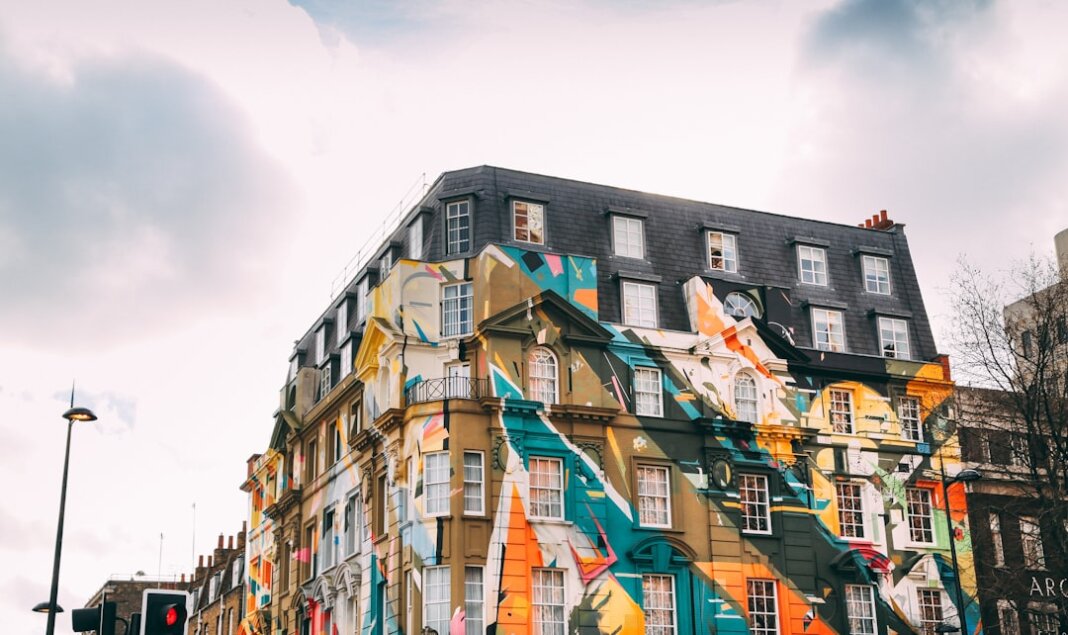
Shoreditch is where London comes to be young, ambitious, experimental, and slightly messy. It’s the neighborhood where artists replaced manufacturing when the factories left, where tech entrepreneurs set up startups, where street artists covered entire buildings with murals, where food markets became gathering places, and where nightlife is genuinely interesting rather than just tourist-focused. If you want to see what contemporary London culture actually looks like—not the historical London of the guidebooks, but the living, breathing, creative London of right now—Shoreditch is where you need to spend time.
The challenge with writing about Shoreditch is that it’s changing constantly. The neighborhood that was edgy and underground five years ago is increasingly mainstream. The property values have skyrocketed, making it harder for artists and young people to afford to live here. The tension between its countercultural roots and its transformation into a desirable, expensive neighborhood is something you’ll sense as you walk through the streets. But that tension is part of what makes it interesting—it’s a neighborhood in the process of becoming something different, and you’re watching that transformation happen in real time.
The Geography of Shoreditch and East London
Shoreditch is just north of the City of London, accessible from Liverpool Street station. It’s part of East London, and understanding East London is key to understanding Shoreditch. East London has historically been working-class, immigrant-heavy, and industrial. For much of the twentieth century, this was manufacturing territory—printing, fashion production, metalwork, and other industries. When those industries moved out or declined, the large industrial spaces became available for artists and alternative uses.
The transformation of East London is one of the most dramatic transformations of any London neighborhood in recent decades. The neighborhoods of Shoreditch, Hoxton, Bethnal Green, and Spitalfields—once considered dangerous, run-down areas that respectable Londoners avoided—have become among the most desirable places in the city. Property values have increased tenfold or more. The creative communities that originally moved here attracted attention, which attracted money, which attracted chains and commercial interests, which is gradually pushing out the communities that made it interesting in the first place.
This gentrification is a real issue, and you’ll see evidence of it as you walk around. There’s genuine tension between what Shoreditch was, what it is, and what it’s becoming. Many original residents, particularly the Bangladeshi and Caribbean communities that have lived in East London for generations, have been displaced by rising rents. The street art, which was originally an expression of artistic freedom and rebellion, has become so commercialised that the original street artists sometimes find themselves erased by corporate attempts to capitalize on the aesthetic.
All of this is worth understanding before you visit, because it colors what you see and do in Shoreditch. You’re not just visiting a cool neighborhood—you’re observing a gentrification process happening in real time.
Brick Lane and Curry Culture
Brick Lane is the famous street that runs through Shoreditch and has become synonymous with Bangladeshi culture and curry. Starting in the 1970s, when Bangladeshi immigrants faced discrimination and difficulty finding housing and jobs in other parts of London, they established themselves on and around Brick Lane. They opened restaurants, shops, and created a community.
Today, Brick Lane has become a tourist destination with numerous Indian and Bangladeshi restaurants. The question of authenticity is complicated—some of the restaurants are genuinely good and serve the local Bangladeshi community; others have become somewhat touristy. But the presence of dozens of restaurants serving genuinely good food, along with shops selling spices, saris, and other Bengali goods, means this remains a real cultural neighborhood, not just a theme park version of one.
The truth about Brick Lane curry is this: some of the restaurants are excellent, serving authentic Bangladeshi and Indian food. Some are mediocre and tourist-focused. The fact that it’s changed from a purely local neighborhood space to a tourist destination means it’s different from what it was, but the food can still be genuinely good if you’re choosy.
Walking down Brick Lane, you’ll see street art covering buildings, restaurants with bright colors and neon signs, spice shops with massive sacks of spices in their windows, and shops selling bangles, saris, and other traditional clothing. The cultural mix of the street—it’s now a tourism destination, but it’s also still a working neighborhood—makes it endlessly interesting to walk through, particularly in the evening when restaurants are busy and the neon lights give the street a vibrant energy.
Street Art and the Visual Culture
Shoreditch’s visual identity comes largely from street art. The entire neighborhood is covered in murals, stencils, pieces, tags, and other forms of public art. For a long time, this was transgressive—street artists creating work without permission, decorating the city without authorization. Over time, street art became not just tolerated but celebrated and commercialised. Building owners now commission street artists to create murals. Corporate brands hire street artists to advertise their products. The radical alternative aesthetic has become mainstream visual culture.
Walking through Shoreditch, you’ll see work ranging from genuinely impressive large-scale murals to quick tags to commissioned corporate pieces. The aesthetic is dynamic and constantly changing—the street art is not permanent; new pieces go up regularly, and old pieces are painted over.
Some famous Shoreditch street artists have become well-known figures: Banksy, though he operates globally and got his start in Bristol rather than Shoreditch, has work associated with the area. Other artists who emerged from the Shoreditch scene have gone on to international recognition. But there’s also tension about whether street art becomes less authentic and powerful once it becomes institutionalized and commercialised.
For a visitor, exploring the street art is one of the great pleasures of Shoreditch. There are street art tours available if you want professional guidance, or you can simply wander and look up frequently. The best art is often on side streets and alleyways, not on the main thoroughfares, so exploration is rewarded.
Markets and Food Culture
Shoreditch has developed an excellent food culture, anchored partly in markets that operate regularly throughout the week and on weekends. Spitalfields Market (which officially straddles the border between Shoreditch and Spitalfields) is the most famous, but Street Feast and various pop-up food markets are also popular.
Spitalfields Market is a covered market building that’s been there since the 1880s, originally for produce. Today it has a mix of shops, vintage clothing stalls, food vendors, and general market atmosphere. The market operates year-round, but Friday through Sunday are the busiest and most interesting times. Various food vendors set up stalls offering everything from Thai food to Mexican street food to kebabs to contemporary British cuisine.
Street Feast operates in various locations and is very popular with the younger Shoreditch crowd. It’s essentially a food market made up of various independent food vendors setting up stalls in car parks or industrial spaces. The vibe is casual, communal, and crowded. Going to Street Feast feels like participating in the contemporary London food culture rather than just consuming it.
The restaurant scene in Shoreditch is excellent. There are fine-dining restaurants, casual ethnic restaurants, cafes, and everything in between. The prices range from inexpensive street food to serious money for Michelin-starred restaurants.
Vintage Shopping and Retail Culture
Shoreditch has become the center of London’s vintage clothing culture. Numerous vintage shops line the streets, particularly around Brick Lane and Redchurch Street. These aren’t just places to buy old clothes—they’re curated collections reflecting the aesthetic of particular dealers and collectors.
Shopping in Shoreditch vintage stores is often an experience. Some shops are chaotic and overwhelming, with clothes piled high and prices varying widely. Others are carefully curated, with specific aesthetic perspective and higher prices reflecting that. There are designer vintage stores where you might find Chanel or Yves Saint Laurent at various price points. There are affordable vintage stores where you can find interesting pieces for a few pounds.
Beyond clothing, Shoreditch has shops selling records, vintage electronics, used books, and all manner of objects. The second-hand, pre-owned, vintage aesthetic is part of Shoreditch’s culture—it represents a rejection of consumer capitalism in theory, though ironically, vintage shopping has become a form of consumption in itself.
Nightlife and Live Music
Shoreditch has a well-established nightlife culture. There are numerous bars, clubs, and venues where you can experience contemporary London nightlife. This isn’t stuffy, formal London—it’s casual, experimental, and varied.
The venue scene ranges from small basement bars to converted industrial spaces to proper clubs. The music might be electronic, indie, hip-hop, reggae, or anything else depending on the night and the venue. Going out in Shoreditch on a Friday or Saturday night gives you a sense of what contemporary London social life actually looks like.
Shoreditch also has an established live music scene. Various venues host touring bands and local acts. The quality varies, but there’s usually something happening, and the experience of going to a gig at an intimate venue in Shoreditch is more interesting than being in a stadium or a tourist-focused entertainment district.
The bar culture is strong too—cocktail bars, craft beer bars, casual neighborhood pubs. Many of these places have significant personality—they’re not chains, but independent businesses where the owners have clear vision about what they want the space to be.
The Tech Scene
Shoreditch has become synonymous with London’s tech startup scene. Tech entrepreneurs, venture capitalists, and startups cluster here, attracted by the neighborhood’s cool factor, the available industrial spaces, and the concentration of other tech businesses and creative people. The term “Silicon Roundabout” refers to the area around Old Street station where many tech companies are based.
For a visitor, the tech scene is mostly invisible—unless you’re interested in startups or tech culture, you won’t spend time in the offices where these companies operate. But the presence of tech money is evident in rising property values, the prevalence of MacBooks in cafes, and the general sense that you’re in a place where ambitious, forward-looking people are trying to create something new.
The tech scene coexists uncomfortably with the artistic communities that originally made Shoreditch interesting. Some see tech as bringing money and energy; others see it as gentrification that’s pushing out the cultural creativity that made the neighborhood worth developing in the first place. This tension is visible if you pay attention—it’s not something you’ll see on the surface, but it’s there underneath.
Walking the Neighborhood
The best way to experience Shoreditch is to walk. Start at Liverpool Street station (where you can also visit the Liverpool Street station complex, which includes the Concourse building with its excellent Victorian ironwork). From there, you can head north toward Shoreditch High Street, which has been pedestrianized and includes restaurants and shops.
Walk down Brick Lane to experience the curry restaurants and the street art. Turn off onto side streets to see the street art in less touristy locations. Visit Spitalfields Market if you’re interested in food or shopping. Explore Redchurch Street, which has interesting independent shops and restaurants and a quieter vibe than the main thoroughfares.
Hanbury Street, parallel to Brick Lane, is particularly good for street art and has a less touristy atmosphere. The streets around Bethnal Green (technically a different neighborhood, but closely linked to Shoreditch) have excellent green space and a slightly less commercialised feeling.
The Museum of the Home (formerly the Geffrye Museum), a small museum of interior design and domestic life, is based in Shoreditch and is worth visiting if you’re interested in how people actually lived at different points in history.
The Gentrification Question
I mentioned this earlier, but it’s important enough to return to: Shoreditch is actively gentrifying, and you should understand that as you experience it. The creative people who moved here in the 1990s and 2000s, attracted by cheap rents and available space, have made it one of London’s most desirable areas. Property developers have noticed. Investment poured in. Rents skyrocketed. Many of the original residents were displaced.
This gentrification is real and visible. You’ll see new luxury apartment buildings next to older housing stock. You’ll see chain restaurants and shops moving in. You’ll see the tension between heritage and development.
The street art that was originally transgressive and anti-establishment has become commodified, with building owners commissioning pieces and corporations using street art aesthetics in their marketing. The original illegal street artists sometimes feel erased by this commercialisation.
Understanding this context doesn’t make Shoreditch less worth visiting—it makes it more interesting to understand what you’re seeing. You’re not just visiting a cool neighborhood; you’re observing the way that alternative culture gets absorbed into mainstream capitalism, the way that the search for authenticity can ironically destroy what makes places authentic.
What You’ll Get from Shoreditch
Spending time in Shoreditch gives you a sense of what contemporary London culture actually is. Not historical London, not the London of royal pageantry and ancient monuments, but the London of artists, entrepreneurs, foodies, and young people creating culture and living their lives right now.
Shoreditch is messy, commercialised, gentrifying, and still genuinely interesting. The street art is striking. The food is excellent. The people-watching is excellent. The sense of being in a place where things are happening is real.
Whether you’re appalled by the gentrification or excited by the energy, whether you love the vintage aesthetic or find it affected, Shoreditch is absolutely essential for understanding what London actually is in 2026—a city in constant transformation, where creative communities and commercial interests are in constant tension, where the past and the future rub up against each other on every street corner.
Bring comfortable shoes, bring a camera for the street art, bring an appetite, and don’t expect to fully understand it on one visit. Like the rest of London, Shoreditch reveals itself gradually to those who take the time to explore it properly.


A Little Bit of London In Your Inbox Weekly. Sign-up for our free weekly London newsletter. Sent every Friday with the latest news from London!