


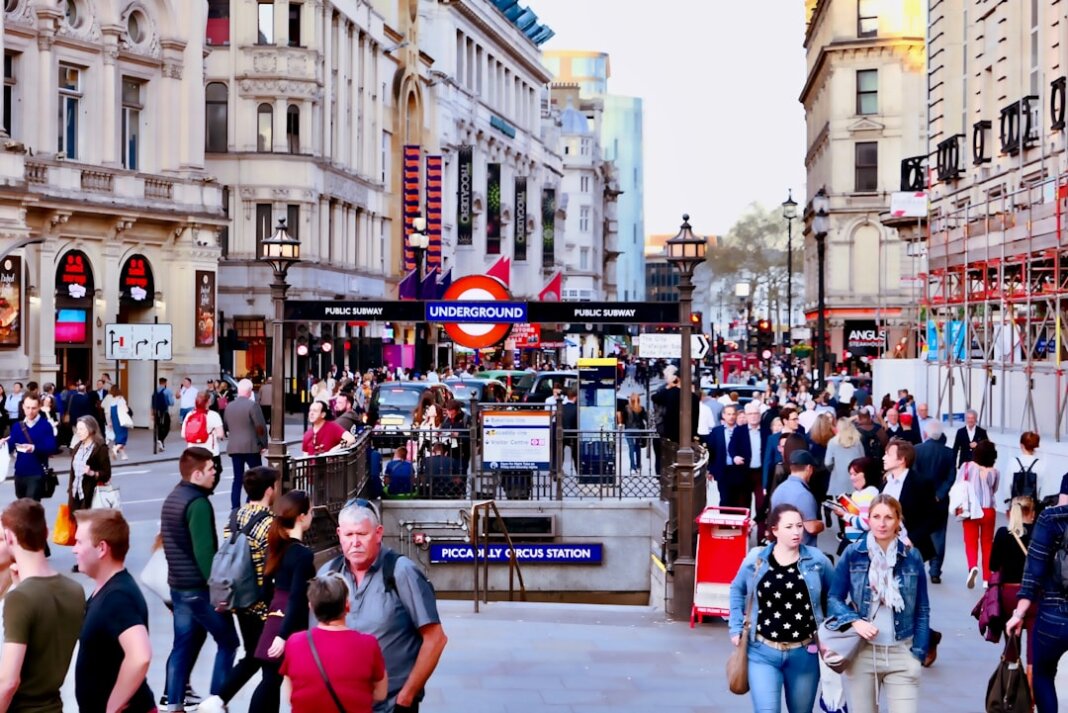

If you’re visiting London during peak season (which is honestly most of the year), you’re going to be sharing major attractions with thousands of other people. The difference between arriving at a popular museum at 10 AM versus 11 AM can be the difference between manageable crowds and genuinely unpleasant ones. Understanding the crowd patterns at London’s most visited attractions and how to game them is crucial to actually enjoying what you came to see.
Let me give you specific timing advice for the major attractions, plus broader strategies for beating crowds whenever you’re visiting.
The Tower of London: Arrive Early or Book Ahead
The Tower of London is simultaneously one of London’s most essential attractions and one of its most crowded. Queues can form before it even opens. If you want to experience the Crown Jewels (the absolute must-see inside the Tower) with any level of comfort, you need strategy.
Option one: arrive right at opening (9 AM in March-October, 9 AM in other months). Head directly to the Crown Jewels when you enter. Go against the natural flow of most tourists, who wander in and gradually work their way to the Crown Jewels. You’ll hit them when queues are still reasonable (15-20 minute wait rather than 45-90 minutes).
Option two: book a timed entry ticket in advance online. This reserves your entry for a specific time slot and significantly reduces queuing. If you do this, aim for a late morning or lunchtime slot (around 11 AM or 12 PM rather than 10 AM). Most tourists book the earliest slots; by midday, they’ve moved through and the next wave is smaller.
Option three: visit in off-season (November to February) or on a weekday (Monday to Thursday) outside of school holidays. The Tower is never quiet, but it’s meaningfully less crowded.
Option four: visit late in the day (after 2 or 3 PM). Many tourists do morning attractions and then move on. The Tower gets a second-wind crowd in late afternoon, but if you have an evening slot and you’re a fast mover, you can get the essentials in with reasonable queuing.
The Crown Jewels specifically queue fastest from 10 AM to 1 PM. Go before 10 or after 1 if you want to avoid the worst.
The British Museum: Friday Evenings are Magic
The British Museum is perpetually crowded during the day, but they stay open late (until 8:30 PM) on Fridays. If you can visit on a Friday evening (say, 6-8 PM), you’ll experience a completely different museum than the afternoon hordes. Crowds drop dramatically. The pace becomes leisurely.
Daytime visits: arrive right at opening (10 AM). You have maybe 90 minutes to two hours of reasonable crowds before it gets overwhelming. The museum is huge, so early opening doesn’t mean you’ll hit everything before crowds arrive, but you’ll hit main attractions with more breathing room.
Avoid: 11 AM to 4 PM during peak season. This is when the largest crowds are present.
Best strategy: unless you absolutely can’t do an evening visit, go Friday evening. Arrive around 6 PM, you’ll have two hours before closing, and the experience is qualitatively better than daytime visits. You actually get to look at things rather than pushing through crowds.
Westminster Abbey: Arrive Right at Opening or Book Timed Entry
Westminster Abbey is technically an active church, which gives it a different character than museums, but it’s treated like a tourist attraction and gets absolutely rammed during peak hours.
Open at 9 AM on weekdays, 9 AM Saturdays, 1 PM on Sundays. If you’re visiting on a weekday or Saturday, 9 AM opening is your target. Queues form quickly, but the first hour has the shortest lines.
Book timed entry in advance if you can. Timed slots spread visitors out across the day. If you book a late morning slot (11 AM or later), you’re actually getting better value than an early booking because morning crowds have largely moved through by then.
Avoid: all day Sunday (when it’s closed to sightseeing for services) and midday weekday visits (11 AM to 3 PM).
The National Gallery: Friday Evenings Again
Like the British Museum, the National Gallery stays open until 9 PM on Fridays. Friday evenings are genuinely lovely—you can actually look at paintings without fighting for view space.
Daytime visits: mornings (before 11 AM) are less crowded. Early afternoon (1-3 PM) is usually better than mid-morning because most tourists do morning museums. Avoid 10-11 AM and 4-5 PM (when people transition between attractions).
Absolute best strategy: Friday evening. Go after work. The gallery is beautiful with fewer people.
St Paul’s Cathedral: Morning Visit Required
St Paul’s Cathedral (which requires entry, unlike Westminster Abbey) closes at 5 PM most days. If you want to see it, you need to arrive by mid-afternoon at the latest, ideally earlier.
Arrive by 10 AM opening, and you’ll catch it before the worst crowds. By 11:30 AM, it’s getting busy. By noon to 3 PM, it’s packed.
Book timed entry if you can. This is particularly important if you want to climb the Dome (the steps up to the top of the cathedral), which has a separate timed entry and fills up.
Best strategy: arrive right at opening (10 AM) or book a timed entry for late afternoon (3 or 4 PM). The afternoon slot has the advantage of different light, which photographs beautifully.
Stonehenge and Other Day Trips: Half-day is Not Enough
If you’re taking a day trip to Stonehenge or other attractions outside central London, you’re not beating crowds by arriving at opening (you’re arriving via coach tour, and you’ll be with all the coach tours). Instead, consider:
Going on a rainy or overcast day when other tourists are less inclined to show up.
Going on a weekday rather than weekend.
Booking a private tour rather than a group tour (more expensive but less crowded and more flexible timing).
Arriving very early (first coach of the day) if you’re doing a group tour.
Spending more time at the attraction than a standard coach tour does, so you experience it after the initial rush.
Major Paid Attractions: General Timing Principles
Opening hour: usually the least crowded. If an attraction opens at 10 AM and you can be there at 10 AM, you’ve got 30-90 minutes of relative quiet.
Midday (12-2 PM): moderate to high crowds. This is when day-trippers who arrived mid-morning hit their stride.
Afternoon (3-5 PM): variable. Some people are leaving to get dinner; some are arriving for evening. This is the second-wave time.
Evening: less crowded if attractions stay open late. Book evening time slots if possible.
Weekday vs weekend: weekdays are quieter but not dramatically. School holidays make weekdays as bad as weekends. If you’re not constrained to weekends, weekday visits are somewhat better.
Shoulder seasons (April-May, September-October): less crowded overall than summer (June-August) or winter holidays (December).
The Booking Strategy
Most major attractions now offer timed entry bookings online. This is revolutionary for crowd management. Rather than queuing when you arrive, you book a specific time slot in advance, arrive at that time, and enter directly.
This is brilliant because:
- You’re not arriving at 10 AM trying to guess if that’s the least crowded time
- You can strategically book later time slots that sound less popular (11 AM vs 10 AM, 3 PM vs 2 PM)
- You avoid standing in an outdoor queue before entry
Booking timing: book timed entries a couple of weeks in advance for peak season (July-August). For shoulder seasons, a few days to a week ahead is usually sufficient. Off-season (November-February), you can often book just a couple of days in advance.
The Broader Picture: Understanding Crowd Waves
London’s crowds follow predictable patterns. Most tourists:
- Stay in central areas (Westminster, South Bank, West End)
- Visit major attractions in roughly the same order
- Follow guidebook recommendations
- Wake up at a normal time (8-9 AM) and plan accordingly
This creates predictable crowd waves:
If you’re visiting a major museum, going at an off-peak time (9 AM opening, Friday evening, or late afternoon) beats the wave.
The Realities of Beating Crowds
Here’s the honest truth: you’re not going to beat crowds entirely during peak season. The Tower of London has 2.8 million visitors per year. The British Museum has even more. You will see other people. Queuing is part of the experience.
What you can do is reduce the intensity of crowds from “genuinely unpleasant” to “manageable.” An 11 AM opening at the Tower is genuinely more pleasant than arriving at 10 AM. Friday evening at the British Museum is genuinely better than a Saturday afternoon.
The best crowd-beating strategy is simply: don’t go during peak times. Visit in April-May or September-October. Visit on weekdays. Visit off-season. Do this, and you’ll experience London as a place rather than a queue simulator.
But if you’re locked into July or August or weekends, then strategic timing—early mornings, late evenings, Friday nights, or booking timed entries for off-peak slots—genuinely makes a difference. You won’t have the attractions to yourself, but you’ll have a considerably better experience than you would otherwise.
And here’s the thing that nobody likes to admit: sometimes you just queue. Sometimes you’re at the Tower on a Saturday in July and there’s a queue. You accept it, you wait, and you go in. The queue is genuinely temporary, and the experience inside is still worth it. Don’t let perfect crowd-avoidance become the enemy of good-enough London exploration.



A Little Bit of London In Your Inbox Weekly. Sign-up for our free weekly London newsletter. Sent every Friday with the latest news from London!