


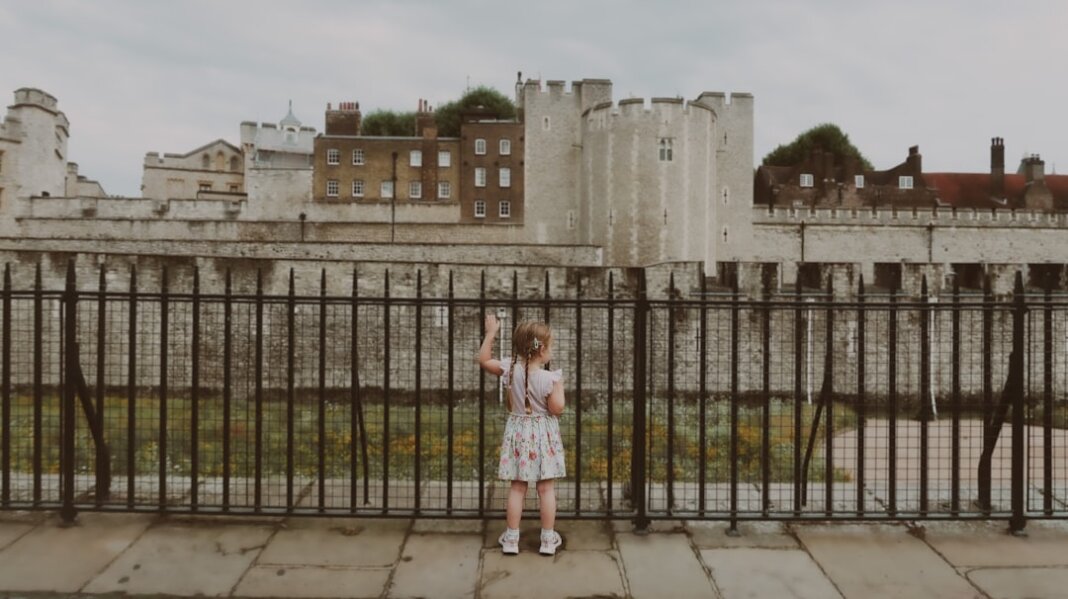
There’s a moment every parent traveling to London with toddlers experiences: you’re standing in a jam-packed tube carriage, your pushchair is wedged sideways, someone’s stepped on the wheels, and you’re wondering if you’ve made a terrible mistake. Here’s the secret — you haven’t. London with small children is genuinely delightful, but it requires a different mindset than visiting as a childless adult. Forget the idea of ticking off the Big Ben, Tower of London, and Westminster Abbey by lunchtime. Instead, embrace a slower pace, lean on the city’s remarkable kid-friendly infrastructure, and you’ll have a holiday that actually involves joy rather than just exhaustion.
The Philosophy: Naps Win Over Sightseeing
Let me be brutally honest with you: exhausted toddlers ruin holidays far more effectively than any broken attraction or rainy day. Your three-year-old does not care about the British Museum. Your two-year-old will not remember Big Ben, no matter how long you stand there in the rain. What they will remember — and more importantly, what will allow you to have an enjoyable holiday — is having enough sleep, regular meals, and stretches of free play.
This means you need to structure your days around nap time, not around must-see attractions. For families with children under three, a solid two-hour nap window mid-afternoon is non-negotiable. For children between three and five, a rest time (even if they don’t actually sleep) keeps everyone sane. Build your London itinerary around this constraint. Spend your mid-mornings at somewhere engaging but not rushed — a playground, a park, a casual museum where you can wander slowly. Come back to your accommodation around 1 PM for lunch and nap time. Then, from 3 PM onwards, do another low-key activity. Your toddler is happier, you’re less stressed, and everyone actually enjoys the experience.
Navigating the Underground with a Pushchair
London’s tube system is both a marvel of engineering and occasionally a genuine nightmare when you’re pushing a buggy with a sleeping toddler. Here’s what you need to know. First, not all tube lines are equally pushchair-friendly. The Victoria Line, Elizabeth Line, and Jubilee Line all have step-free access at most stations. The Piccadilly, Northern, Central, and Circle Lines are hit-or-miss — some stations have lifts, others don’t. Before you travel, check Transport for London’s journey planner, which tells you whether your route has accessible stations.
The physical reality of tube travel with a pushchair: it’s doable, but it’s intimate in a way you may not enjoy. During rush hours, fold your pushchair if possible (not always feasible with a compact travel buggy, admittedly). Have your Oyster card ready so you can use the accessible gates. Never, ever try to board a Northern Line train at rush hour without first considering whether your mental health can withstand the experience.
Here’s a practical tip: many parents of London toddlers use lightweight travel pushchairs for getting around, and then transition to a more spacious buggy for park time. The Maclaren or similar compact models are heaven-sent on London transport. Alternatively, consider a baby sling or backpack carrier for the tube, especially during rush hours. Your shoulders might ache, but your sanity remains intact.
Museums That Actually Work with Young Children
Contrary to what you might expect, some of London’s most world-renowned museums are genuinely toddler-friendly — primarily because they’re free and because their curators have generations of experience managing crowds and younger visitors. The Science Museum is the gold standard. Your toddler doesn’t need to understand Newtonian physics to be absolutely mesmerised by a giant pendulum, buttons that make things happen, and interactive displays at their precise eye level. The ground and lower ground floors are perfectly pitched for the under-fives. The play area (separate from the main exhibits) is excellent. You could legitimately spend four hours here and your two-year-old would think it was the greatest day of their short life.
The Natural History Museum is beloved for one reason above all: the dinosaurs. The imposing dinosaur skeleton in the main atrium will shock and delight your toddler in equal measure. They might cry (it’s big and scary) or they might be transfixed (most common). Either way, it’s an experience. The museum is sprawling, which actually works in your favor — you can wander at a gentle pace without feeling rushed, and there’s always a quiet corner if your child has a meltdown.
The V&A Museum has excellent family facilities, though the collections are less obviously interesting to small children. However, their playground area and the Café at the V&A (which is actually quite good) make it worth a visit on a quieter day. The Horniman Museum in South London is less crowded than the big three and has wonderful collections of musical instruments, natural history, and anthropology, with good family facilities and a pleasant outdoor area with stunning views.
One word of warning: the British Museum and National Gallery are spectacular, but they’re also huge and often overwhelming with small children. If you’re desperate to see them, go first thing in the morning, pick one gallery, and resign yourself to seeing perhaps ten percent of what the museum contains. Your child is not being deprived — they’re probably just tired and hungry.
Parks and Playgrounds: London’s Greatest Resource
London has roughly 3,000 parks, and this might be the single greatest fact for parents of young children. Almost every neighborhood contains at least one good playground, and many are genuinely excellent. Hyde Park has multiple play areas, including the Diana Memorial Playground, which is specifically themed around Peter Pan and is absolute magic for young children. The Diana, as locals call it, features a pirate ship structure, an Indian tepee, and various climbing, swinging, and sliding opportunities. It’s free, it’s well-maintained, and it’s the kind of place where your toddler will want to stay for hours. Note that the playground has been closed for a major refurbishment since November 2025 and is due to reopen in summer 2026, so check The Royal Parks website before you visit.
Beyond the Diana, every London child seems to have a neighborhood favorite. Battersea Park has wonderful open spaces, a good playground, and a lake where you might spot herons. Regent’s Park has open fields, the zoo if you want it, and the boating lake. Hampstead Heath offers forests, hills, and a sense of genuine countryside despite being in North London. Coram’s Fields (near King’s Cross) is specifically for children under sixteen, which means it’s peaceful and well-maintained. Holland Park’s adventure playground is slightly wilder and more challenging for older toddlers.
The key to surviving the parks is simple: go with no agenda. Pack a picnic (or buy snacks from a nearby Tesco), let your child play, and you sit on a bench and read or chat with other parents. This is not wasted sightseeing time — this is what London is actually about for families. Your toddler building a friendship with another four-year-old and playing in a sandbox for ninety minutes is genuinely excellent parenting.
The Reality of London Accommodation with Small Children
London hotels are not universally designed for families with buggies and extra supplies. Many “family rooms” are simply regular rooms with a sofa bed. Victorian townhouses converted into hotels often have extremely narrow staircases and tiny elevators. If you’re traveling with a baby, seriously consider a serviced apartment or Airbnb with a kitchen — the freedom to make your own breakfast, heat bottles, and have quiet meals in the evening is genuinely restorative.
Look for accommodation with a lift, a fridge, a microwave, and as much square footage as possible. A sitting room separate from the bedroom means you can put your toddler to bed at 7 PM and actually have an evening. Hotel dining where you have to bundle your exhausted child out every evening is a special kind of misery that no one warns you about.
Eating with Toddlers in London
London restaurants have become genuinely, surprisingly good at accommodating families with young children. The British have a pragmatic attitude to kids in restaurants — you’ll see toddlers and babies in casual restaurants, pubs, and increasingly in upmarket establishments. This is partly cultural and partly because London is such a diverse, international city that accommodating different ways of dining is considered normal.
Pizza Express, Wagamama, and Giraffe are explicitly family-friendly and always have high chairs, kids menus, and coloring sheets. But honestly, you can walk into almost any casual London restaurant with a toddler and be welcomed. Many gastropubs have a fun, chaotic energy that actually suits families. The key is going earlier — 5 or 6 PM rather than later — and managing your expectations. Your toddler will not sit quietly eating for two hours. Bring a small activity, be prepared to eat quickly, and tip well.
The Bottom Line: This Is Genuinely Worth Doing
Visiting London with toddlers is messier and slower than visiting alone, but it’s not a burden. Your small children are experiencing an extraordinary city with world-class museums, beautiful parks, and centuries of history. They may not remember the details, but they’ll absorb the sense of something big and wonderful. And you — you’ll remember the moment your toddler’s face lights up seeing dinosaurs for the first time, or the afternoon spent in a London park watching them play in the grass. That’s the real prize.


A Little Bit of London In Your Inbox Weekly. Sign-up for our free weekly London newsletter. Sent every Friday with the latest news from London!