


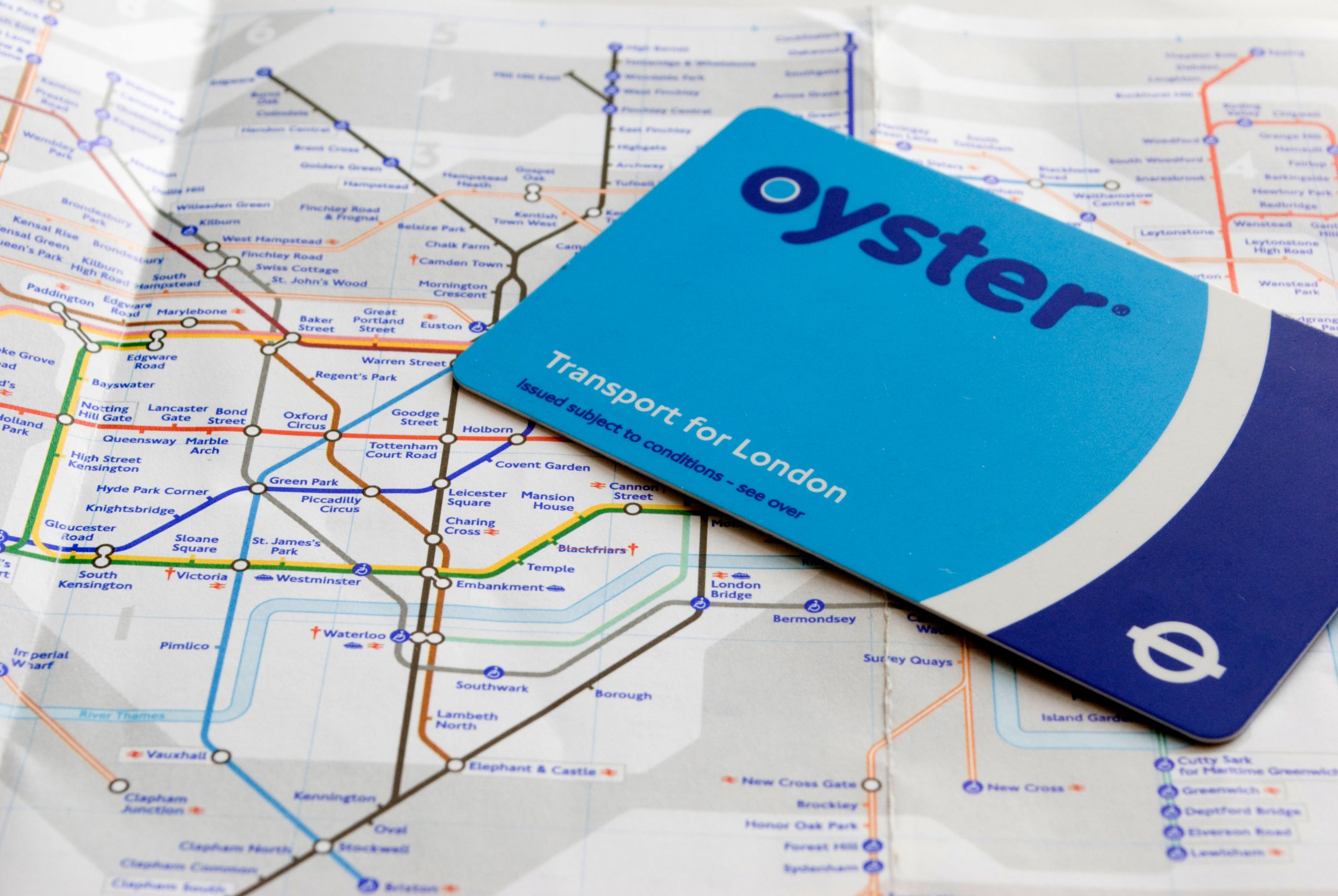

If you’re planning a trip to London, you’ll quickly realize that the Oyster card is one of the smartest investments you can make. This little plastic card might look humble, but it’s genuinely revolutionary for getting around the city. As someone who’s navigated London’s transport system countless times, I can tell you that understanding how the Oyster card works will save you money, time, and the frustration of fumbling with paper tickets at every station.
Let me walk you through everything you need to know about this essential London travel companion.
What Exactly Is an Oyster Card?
Think of an Oyster card as a rechargeable smart card that works like a digital wallet for London’s public transport. Instead of buying individual tickets each time you board a bus, the Tube, or a tram, you simply load money onto your Oyster card and tap it against a reader when you enter and exit your journey. The system then automatically deducts the appropriate fare from your account.
The card itself is a small, light blue plastic rectangle about the size of a credit card. On one side, you’ll find the distinctive image of a stylized oyster shell — hence the name. It’s been London’s transport standard since 2003, and honestly, it’s one of the best systems in the world for urban travel. The beauty of it is the simplicity: you don’t need to think about which zones you’re traveling through or what time of day it is. You just tap and go.
The Oyster card system was designed to make public transport more accessible and affordable. Before Oysters became ubiquitous, Londoners had to deal with dozens of different paper tickets and passes. The system eliminated that chaos and, in the process, made London’s famous red buses and Underground trains even more appealing to locals and visitors alike.
Contactless Payment: The Modern Alternative
Here’s something that might surprise you: you don’t actually need an Oyster card at all anymore. London’s transport system now accepts contactless payments using any card or phone that has near-field communication (NFC) technology. This includes most modern credit cards, debit cards, and mobile payment systems like Apple Pay, Google Pay, and Samsung Pay.
If you already have a contactless payment card in your wallet, you can simply tap it at the same readers where you’d tap an Oyster card. The system works exactly the same way, and you’ll receive the same fare calculations and daily caps. This has made travel incredibly convenient for visitors who’d rather not carry an extra card.
That said, many people still prefer having a dedicated Oyster card, especially if they’re staying in London for more than a few days. There are a few advantages to consider. An Oyster card can hold up to £100, whereas contactless payments might have daily transaction limits with some cards. Additionally, if your contactless card gets declined for any reason (unusual activity, technical issue), you’ll need a backup plan. An Oyster card is reliable and straightforward — no algorithms, no fraud detection systems to get in your way.
For most visitors, though, contactless is perfectly fine and requires zero setup. If you’re only in London for a weekend, just use your contactless card. If you’re staying longer, an Oyster card can be a nice backup and a fun souvenir at the end of your trip.
Understanding Zones and How Fares Work
London’s transport network is divided into nine zones, with Zone 1 being central London. Most of the major attractions — Big Ben, Tower of London, Buckingham Palace, the British Museum — are all in Zone 1. Zones 2-6 spread outward in concentric rings, with Zones 7-9 covering the outer reaches and airports.
Here’s where the Oyster card becomes especially clever. Rather than charging a flat fare for the entire journey, the system charges based on how many zones you cross. A journey entirely within Zone 1 costs less than a journey from Zone 1 to Zone 2, which costs less than Zone 1 to Zone 3, and so on.
During peak travel times (Monday to Friday, 06:30 to 09:30 and 16:00 to 19:00), fares are higher. Off-peak travel — everything else, including all day Saturday and Sunday — costs significantly less. As of 2026, a peak Zone 1 single journey on an Oyster card costs around £1.75, while an off-peak journey costs £1.45. Travel between Zones 1 and 2 costs slightly more.
For most visitors, this is where the daily cap comes in as an absolute game-changer.
The Daily Cap: Your Secret Money-Saving Weapon
The daily cap is perhaps the single best feature of London’s Oyster system, and it’s something every visitor should understand. Essentially, TfL (Transport for London) has set a maximum amount you can be charged in a single day. Once you’ve spent that amount on journeys, every subsequent journey that day is completely free.
The daily cap varies depending on the zones you travel in and whether you’re traveling during peak or off-peak times. For visitors, the most relevant cap is probably the Zone 1-2 off-peak cap, which is currently around £3.40. If you’re just doing normal tourist sightseeing on a Saturday or Sunday (off-peak), that means you can take as many journeys as you want across Zones 1 and 2 for just £3.40.
Let me put that in perspective. A return trip from Piccadilly Circus to Tower Bridge, then to the British Museum, then across town to Buckingham Palace would normally cost you £5-6 in individual fares. But with the daily cap, all of those journeys together cost you just £3.40. Take a seventh journey that day? Completely free. This is why Londoners and visitors alike barely think about the cost of getting around — you hit the cap and forget about it.
The daily cap resets at midnight every night, so it’s a genuinely useful mechanism if you’re planning to do a lot of moving around the city. Even if you’re taking it easy, the cap means you’re unlikely to overpay.
Where and How to Buy an Oyster Card
If you’ve decided an Oyster card is right for you, getting one is incredibly easy. The most straightforward place to purchase an Oyster card is at any London Underground station. Walk up to the ticket office and tell them you’d like an Oyster card. They’ll hand you a blank card and ask you how much you’d like to load onto it.
Most people load between £15-30 onto their card to start, depending on how long they’re staying and how much they plan to use public transport. You can always add more money later if you run out. The card itself is free, but you’ll pay a £5 deposit, which you can reclaim when you leave London (though many people keep theirs as a souvenir, which seems fair for a five-pound card).
You can purchase Oyster cards at:
- Any London Underground station ticket office
- Many National Rail stations in London
- Airport terminals (Heathrow, Gatwick, Stansted, etc.)
- Selected shops and newsagents throughout London
- The TfL website, though delivery times make this less practical for visitors
If you’re arriving at an airport, I’d recommend buying your Oyster card there rather than waiting until you reach central London. The airport ticket offices are efficient, English is universally spoken, and you won’t have to hunt around for a station when you’re jet-lagged and disoriented.
Loading Money and Managing Your Card
Once you have an Oyster card, adding money is simple. You can load funds at any ticket office using cash or card, or you can register your card online at the TfL website and add money remotely using a credit or debit card. I’d actually recommend registering your card online as soon as you have a moment. It costs nothing and provides a safety net — if you lose your card, you can report it and protect your balance.
You can check your balance by tapping your card at any fare reader on the network (they’ll briefly display your balance), or by checking online if you’ve registered your card. The system is transparent and user-friendly.
One thing to note: if you’re using your Oyster card for the Heathrow Express (the fast train into central London), you can’t use the daily cap. The Heathrow Express is operated separately and charges a fixed fare of around £5.50 (off-peak) to £11.50 (peak). You’ll pay this fee on top of any Tube fares you incur that day, so don’t be surprised by a larger deduction.
Oyster Card vs. Travelcard: What’s the Difference?
You might hear the term “Travelcard” in London, and it’s worth understanding the distinction. A Travelcard is an older, paper-based system that’s largely been superseded by the Oyster card and contactless payments. Travelcards were traditional tickets that you could buy for daily, weekly, or monthly travel.
Nowadays, an Oyster card is technically a “Travelcard” in the sense that it functions as a reloadable travel pass. But when Londoners or tourist guides say “Travelcard,” they usually mean the old paper tickets you can still buy at stations. Unless you have a very specific reason to buy a paper Travelcard (perhaps you want a monthly pass for business travel?), you should just use an Oyster card or contactless payment.
If you do buy a paper Travelcard, the fares and zones work the same way as an Oyster card, but you don’t get the benefit of the daily cap. A weekly Travelcard is typically more expensive than paying daily caps on an Oyster card for seven days, so it’s rarely worth it for visitors.
Practical Tips for Using Your Oyster Card
Now that you understand how the system works, let me share some practical advice from years of navigating London’s transport network.
First, always tap both when you enter and when you exit the network. On buses, you only need to tap once (when you board), but on the Underground, Overground, National Rail, and trams, you must tap both at entry and exit. The system can’t calculate your correct fare if you don’t, and you might be overcharged. It’s actually one of the few ways you can accidentally pay more than necessary, so it’s worth remembering.
Second, plan your travel during off-peak times when possible. If you’re a flexible traveler who doesn’t have to commute during rush hour, you’ll save significant money. A Saturday morning bus ride across London followed by an afternoon stroll through a museum, then dinner in Soho, will cost you less than a single round-trip during peak Friday evening commute time.
Third, if you’re staying in London for a week or more, calculate whether unlimited travel makes sense for you. A seven-day cap (the system automatically applies a weekly cap) for Zone 1-2 is around £22-30, depending on peak/off-peak mix. If you’re doing a lot of traveling, that might be your break-even point.
Fourth, check the TfL website or app before major events or holidays. Sometimes weekend service is disrupted, or lines close for maintenance. It’s always worth knowing your alternatives in advance. The TfL app is excellent and can plot your journey, show you expected travel times, and alert you to service disruptions.
Finally, don’t stress about accidentally tapping twice or your card not registering. The system has built-in protections. If you tap twice by mistake on the way into the Underground, the system recognizes it and only charges you once. If your card doesn’t register on your first tap (which occasionally happens), just tap again. The reader will recognize the second tap and won’t double-charge you.
Making the Most of Your Oyster Card
Your Oyster card is your ticket to exploring London on your own terms. With the daily cap protecting you from overspending and the system accepting both Oyster and contactless payments, getting around London is straightforward and affordable. Whether you’re commuting to a work meeting, hopping on the Tube to visit the National Gallery, or taking a bus across town to catch the sunset from Primrose Hill, your Oyster card makes it all seamless.
Many visitors tell me that mastering the Oyster card was one of the first things that made London feel less daunting and more manageable. Once you’ve tapped your way through a few journeys and realized how efficient and affordable it is, you’ll understand why Londoners barely think about getting around the city anymore.
So grab your Oyster card, load it up, and start exploring. London’s transport network is waiting for you — and it’s probably more accessible and affordable than you might have expected.




A Little Bit of London In Your Inbox Weekly. Sign-up for our free weekly London newsletter. Sent every Friday with the latest news from London!