


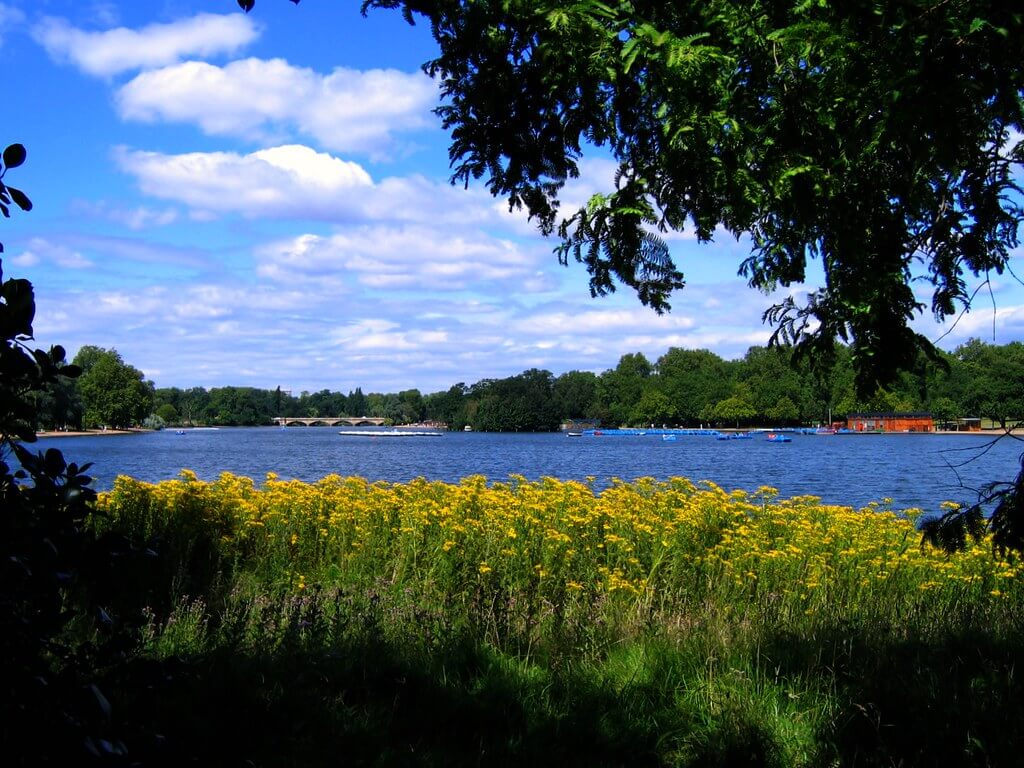


In a city where every square meter commands a premium, London’s Royal Parks stand as magnificent reminders of a time when monarchs carved out vast green sanctuaries from the urban sprawl. These eight historic parks, covering over 5,000 acres, aren’t just London’s lungs—they’re living theaters where centuries of royal drama, public celebration, and everyday London life unfold beneath ancient oaks and along serpentine lakes.
Hyde Park, the granddaddy of them all, sprawls across 350 acres of prime real estate that could house thousands of homes but instead hosts millions of visitors annually. Speaker’s Corner has witnessed everyone from Karl Marx to contemporary activists exercising their democratic right to harangue passersby, while the Serpentine Lake reflects the changing seasons and the occasional royal swan. The park’s transformation from Henry VIII’s hunting ground to the world’s first public park in 1637 mirrors London’s own evolution from royal playground to global metropolis.
Adjacent Kensington Gardens whispers with royal intimacy, where Princess Diana once pushed her sons on swings and where Prince Albert’s Gothic Revival Memorial still gleams with Victorian ambition. The palace gardens blur the line between public and private royal life, offering glimpses through ornate gates at the working royal residence while providing sanctuary for families, joggers, and the inevitable tourists photographing the Peter Pan statue.
Regent’s Park showcases landscape architecture at its finest, John Nash’s vision of elegant terraces embracing a pastoral paradise. The park’s famous rose garden erupts in summer color, while London Zoo adds an exotic soundtrack to the urban pastoral scene. Open-air theater performances in the park’s heart create magical evenings where Shakespeare meets starlight, and the boundary between performance and reality delightfully dissolves.
St. James’s Park, the most royal of all, sits like a green jewel between Buckingham Palace and Whitehall. Pelicans—yes, pelicans in central London—paddle alongside ducks and geese in the ornamental lake, while the view from the Blue Bridge offers one of London’s most photographed vistas: the palace facade framed by weeping willows. This 57-acre park has witnessed coronation processions, victory parades, and countless royal ceremonies, making every stroll a walk through living history.
Greenwich Park climbs Royal Hill to offer London’s finest panoramic view, where the Prime Meridian line literally puts visitors at the center of global timekeeping. The National Maritime Museum and Royal Observatory anchor the park’s scientific heritage, while ancient sweet chestnuts and formal flower gardens provide earthbound pleasures. The park’s 183 acres feel worlds away from central London’s intensity, despite being easily accessible by river or rail.
Richmond Park, at 2,500 acres, remains London’s wildest royal space, where red and fallow deer roam freely as they have for centuries. Ancient oaks, some over 700 years old, stand as silent witnesses to royal hunts and wartime use as military camps. The Isabella Plantation’s woodland garden creates an almost secret world of azaleas, camellias, and streams that feels more Surrey countryside than Greater London.
Bushy Park and The Green Park complete the royal octet, each with distinct personalities. Bushy Park’s famous chestnut avenue creates a natural cathedral in spring bloom, while The Green Park’s deliberately simple landscape of mature trees and grassland provides respite from the ornamental complexity of its royal siblings.
These parks function as more than historical curiosities or tourist destinations. They’re integral to London’s identity, providing free recreation space in one of the world’s most expensive cities. Morning commuters cut through them, families picnic under centuries-old trees, and visitors from around the globe discover that London’s greatest luxury isn’t found in its shops but in its green spaces.
The Royal Parks represent something uniquely British: the gradual democratization of royal privilege. What began as private hunting grounds for Tudor and Stuart monarchs have evolved into public treasures, maintained by the Crown but belonging, in every meaningful sense, to London itself. In a city constantly reinventing itself, these parks provide continuity, beauty, and breathing space—royal gifts that keep on giving, long after the last hunting horn has sounded.
A Little Bit of London In Your Inbox Weekly. Sign-up for our free weekly London newsletter. Sent every Friday with the latest news from London!