


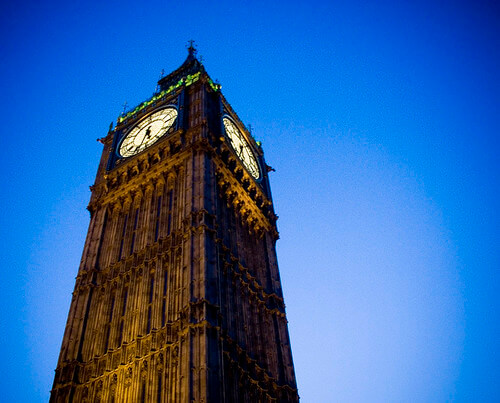


The sound of Big Ben chiming the hour is one of the world’s most recognized sounds, broadcast daily by the BBC and instantly evoking London and Britain to listeners worldwide. Yet there’s widespread confusion about what “Big Ben” actually is. The name officially refers to the Great Bell inside the clock tower, though most people use it to describe the entire tower or the clock itself. The tower’s official name is now the Elizabeth Tower (renamed in 2012 for Queen Elizabeth II’s Diamond Jubilee), but everyone still calls it Big Ben. Whatever you call it, this Victorian masterpiece has become London’s most iconic landmark and the symbol of British timekeeping, reliability, and continuity.
The tower’s story begins with the devastating fire that destroyed the old Palace of Westminster in 1834. When Charles Barry designed the new palace, he included a clock tower as part of his Gothic Revival masterpiece, but the clock itself became a separate and highly technical challenge. Parliament wanted the most accurate clock in the world, capable of keeping time despite London’s harsh weather and the tower’s height. This was no decorative timepiece but a serious scientific instrument that would set the time for the entire nation.
The clock’s design fell to Edmund Denison, a brilliant lawyer and amateur horologist who would spend years perfecting the mechanism. Denison collaborated with watchmaker Edward John Dent to create an innovative design featuring a double three-legged gravity escapement that isolated the clock from external forces like wind or bird strikes. This mechanism, combined with carefully designed weights and a pendulum, created extraordinary accuracy. When first activated in 1859, the Great Clock could keep time to within one second per day, remarkable for any 19th-century clock and astounding for one exposed to weather and vibration.
The tower itself, rising 316 feet (96 meters), is a marvel of Victorian engineering. Augustus Pugin, who designed the tower’s Gothic details, died before seeing it completed, but his vision shaped the structure—from the four clock faces (each 23 feet in diameter) to the tower’s distinctive silhouette. The construction required innovative foundations to handle the tower’s weight on the marshy Thames-side ground. The brickwork is faced with limestone, creating the honey-colored appearance that has become so familiar.
The bells, however, are what make Big Ben truly Big Ben. The Great Bell itself weighs 13.7 tons and was cast in 1858. Its name’s origin remains disputed—possibly honoring Sir Benjamin Hall, the Commissioner of Works, or Benjamin Caunt, a popular heavyweight boxer. The bell’s journey to the tower was eventful: the original bell cracked during testing, requiring a replacement. The second bell also cracked in 1859, just months after installation, likely due to an oversized hammer. Rather than recast it again, the bell was rotated to place the crack away from the hammer, and a lighter hammer was installed. This crack gives Big Ben its distinctive tone, slightly different from what the bell-founders intended.
Big Ben is accompanied by four quarter bells that chime the Westminster Quarters every fifteen minutes. These quarter bells play a melody based on a phrase from Handel’s Messiah, creating the familiar “ding-dong” pattern: “bim-bom-bim-bom” at quarter past, additional chimes at half past and quarter to, and then the full sequence before Big Ben strikes the hour. This melody has become so associated with timekeeping that clock towers worldwide imitate it, known as the Westminster Chimes.
The clock faces are engineering marvels themselves. Each face is made of 312 pieces of opal glass, with the minute hands spanning 14 feet and weighing about 220 pounds. The faces are illuminated from behind, creating the glowing appearance visible across London at night. During World War I and II, the lights were extinguished for blackout, and the bells were silenced except for the hour strike, a concession to wartime caution. The resumption of full chimes and lighting after each war marked returns to peacetime.
Big Ben has remarkable reliability. Despite its age, the clock rarely stops, and its accuracy remains impressive. The pendulum’s speed can be adjusted by adding or removing old pennies to the weight—each penny changes the clock’s speed by 0.4 seconds per day, a charmingly low-tech solution to fine-tuning this sophisticated mechanism. When the clock runs slightly fast or slow, adjustments are made to maintain accuracy within seconds per week, remarkable for a 160-year-old mechanical clock.
The bell and clock have witnessed extraordinary moments in British history. Big Ben has chimed through two World Wars, though with interruptions during the worst of the Blitz when bombing damaged the clock face and mechanism. On VE Day in 1945, the chimes rang out to celebrate victory, while crowds gathered below. The New Year’s chimes broadcast by the BBC have become a national ritual, with millions listening as Big Ben marks midnight and the start of a new year. The silence of the bells during mourning periods—such as Churchill’s funeral or the Queen Mother’s death—is profound, the absence of familiar sound marking national grief.
Big Ben’s sound has become embedded in British culture. The BBC has broadcast the chimes daily since 1923, making them arguably the most frequently heard sounds in broadcasting history. The chimes introduce BBC news broadcasts and mark significant moments. For Britons abroad, hearing Big Ben’s chimes can be deeply moving, instantly connecting them to home. The sound has been sampled, imitated, and referenced countless times in popular culture, from films to music to comedy sketches.
The tower underwent major renovation from 2017 to 2022, its most extensive restoration since construction. The bells were largely silenced during this period (except for special occasions), and the clock faces were hidden behind scaffolding. This silencing was met with considerable public dismay—Londoners missed the familiar sound, while the sight of the shrouded tower was unsettling. The renovation revealed the extent of deterioration to stonework, metalwork, and mechanisms, requiring painstaking restoration by specialist craftspeople. The clock mechanism was disassembled, cleaned, and repaired, while the tower structure was strengthened and modernized with elevators and fire safety systems.
Access to the tower is limited—only UK residents can arrange tours through their MPs, climbing the 334 steps to see the clock mechanism and bells. This exclusivity adds to Big Ben’s mystique, making it a place most Londoners have never entered despite passing it countless times. Those who do make the climb are rewarded with close-up views of the massive clock mechanism and the Great Bell, experiencing the thunderous chimes from mere feet away.
For London’s skyline, Big Ben provides a Gothic exclamation point, anchoring the Palace of Westminster and providing a vertical counterpoint to the horizontal river. The tower’s proportions—tall but not overwhelming, ornate but not excessive—exemplify Victorian design sensibilities. From bridges, riverside paths, and across the water, the tower creates one of London’s most photographed views, particularly spectacular when illuminated at night.
Big Ben represents something deeper than timekeeping—it symbolizes reliability, continuity, and British identity itself. The idea that this Victorian clock continues marking time through all changes and challenges resonates powerfully. When terrorists attacked nearby in 2017, Big Ben continued chiming, a defiant assertion of normality and resilience. When Britain voted to leave the European Union, arguments erupted over whether Big Ben should chime to mark Brexit, illustrating how the bell has become a totem for competing visions of Britain.
The tower has survived wars, weather, and the passage of time, continuing its original function after more than 160 years. This longevity is remarkable in an age of planned obsolescence and rapid technological change. Big Ben reminds us that Victorian engineering, when properly maintained, can outlast generations of modern replacements. The clock still relies on the same basic mechanism designed in the 1850s, a testament to Edmund Denison’s genius and Victorian craftsmanship.
Today, as London continues evolving around it, Big Ben remains constant. The chimes mark time regardless of political turmoil or social change. The tower stands as it has for over a century and a half, keeping watch over Westminster and the Thames, its golden faces glowing against London’s sky, its chimes echoing across the city. For Londoners and visitors alike, Big Ben is more than a clock tower—it’s the sound and sight of London itself, the timekeeper of the capital, and the most beloved landmark in a city full of icons.
A Little Bit of London In Your Inbox Weekly. Sign-up for our free weekly London newsletter. Sent every Friday with the latest news from London!