


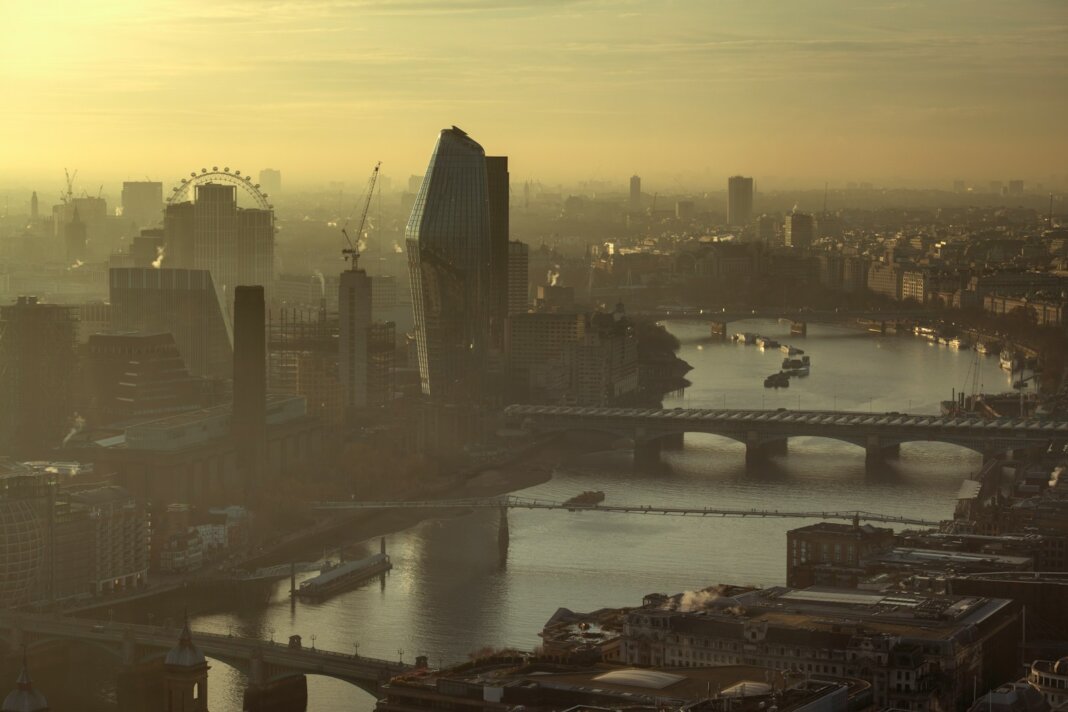


The Thames flows through London like a liquid timeline, carrying with it two millennia of history, commerce, and culture. More than any single building or monument, this ancient river defines how the world perceives London, serving as both the city’s geographical spine and its symbolic heart. From Roman settlement to global financial center, the Thames has been London’s constant companion, shaping its destiny while reflecting its evolution to the watching world.
The River That Built a City
London exists because of the Thames. The Romans recognized its strategic value when they established Londinium around 50 AD, choosing the river’s first fordable point upstream from the sea. This geographical advantage – accessible to seagoing vessels yet defensible from invasion – would prove decisive in London’s rise to global prominence. The Thames provided fresh water, transportation, trade routes, and natural defenses, making it the foundation upon which one of history’s greatest cities would grow.
The river’s tidal nature created a unique ecosystem of opportunity. Twice daily, the Thames would rise and fall with oceanic rhythms, allowing ships to ride the tide inland to London’s heart, then carry goods and passengers back to the sea. This natural escalator connected London to the world’s waters, transforming a modest settlement into the hub of a maritime empire.
Highway of Empire
For centuries, the Thames served as London’s primary thoroughfare. Before roads could accommodate heavy traffic, the river carried everything from coal and timber to spices and silk. Medieval London’s prosperity flowed directly from Thames trade, with the river supporting hundreds of watermen who served as the city’s taxi drivers, ferrying passengers between the marshy banks.
The river witnessed London’s transformation into the world’s largest port. By the 18th and 19th centuries, the Thames teemed with merchant vessels from every corner of the British Empire. The “Pool of London” – the stretch between London Bridge and the Tower – became so congested with masts and rigging that observers described it as a forest of ships. This maritime abundance announced London’s global reach to every visitor arriving by water, creating the enduring image of London as the world’s commercial capital.
Dickens captured this bustling energy in his novels, describing the Thames as “the great artery of London” where “every tide brought up a crowd of old-established water-side characters.” Foreign visitors invariably remarked on the river’s intensity – the German poet Heinrich Heine called it “that coal-black, mighty river” that embodied the industrial might of Victorian Britain.
Cultural Currents
The Thames permeates London’s cultural identity in ways both grand and intimate. Shakespeare set key scenes along its banks, from the opening of “Richard III” to the tragic drowning in “Hamlet.” Turner painted its moods obsessively, creating atmospheric masterpieces that captured the river’s changing light and industrial sublime. Whistler’s nocturnes transformed the Thames into poetry, while Monet found Impressionist inspiration in its fog-shrouded bridges.
The river’s cultural significance extends beyond high art into London’s collective memory. The annual Oxford-Cambridge Boat Race turns the Thames into a national theater, watched by millions worldwide. The Queen’s Diamond Jubilee river pageant in 2012 demonstrated the Thames’ enduring power as a stage for British ceremony, with 1,000 boats creating a floating celebration that broadcast London’s pageantry to a global audience.
Literature and film consistently return to the Thames as London’s defining feature. From Sherlock Holmes retrieving evidence from its murky waters to James Bond racing speedboats past Parliament, the river provides an instantly recognizable backdrop that signals “London” to international audiences more effectively than any landmark.
Engineering the Flow
The Thames shaped London, but London also shaped the Thames. The Great Stink of 1858 forced Victorian engineers to completely reimagine their relationship with the river. Joseph Bazalgette’s revolutionary sewer system and the Thames Embankment project transformed both the river’s health and London’s appearance, creating the elegant riverside walkways that define modern London’s character.
The Thames Barrier, completed in 1984, represents London’s ongoing negotiation with its river. This moveable flood defense – resembling giant silver shells rising from the water – protects the city from storm surges while maintaining the Thames’ tidal flow. The barrier embodies London’s pragmatic approach to heritage: preserving the past while adapting to future challenges.
Global Symbol
Today, the Thames functions as London’s most powerful ambassador. Television news broadcasts routinely feature the river as visual shorthand for Britain, with Parliament and Big Ben reflected in its waters. Tourism marketing invariably showcases Thames cruises, Tower Bridge, and riverside dining, understanding that the river experience encapsulates London’s appeal.
The river’s global recognition stems from its ability to tell London’s complete story in a single frame. Ancient and modern architecture lines its banks, from medieval towers to glass skyscrapers. The Thames Path allows visitors to walk through centuries of history, encountering Roman walls, Tudor palaces, Georgian terraces, Victorian engineering, and contemporary arts venues in a continuous riverside narrative.
International visitors consistently identify Thames experiences as highlights of London visits. River cruises provide accessible introductions to the city’s geography and history, while riverside pubs offer quintessentially English experiences. The Thames has become London’s most democratic attraction – free to view, impossible to miss, and meaningful to every visitor regardless of background or interests.
The River Eternal
Climate change and urban development present new challenges for the Thames, yet its fundamental importance to London’s identity remains unchanged. The river continues to adapt, supporting new residential developments, cultural venues, and transportation links while maintaining its historic character.
The Thames embodies London’s greatest strength: the ability to evolve while honoring its past. Like the city itself, the river demonstrates that continuity and change need not be contradictory. The Thames that carried Roman galleys and Victorian steamships now hosts river buses and luxury restaurants, proving that London’s genius lies not in preserving the past unchanged, but in finding new purposes for enduring foundations.
For the world watching London, the Thames remains the ultimate symbol of the city’s character – ancient yet dynamic, practical yet romantic, thoroughly English yet universally comprehensible. The river flows on, carrying London’s story to the sea and the world beyond.
A Little Bit of London In Your Inbox Weekly. Sign-up for our free weekly London newsletter. Sent every Friday with the latest news from London!
Beautifully written. Thank you.