


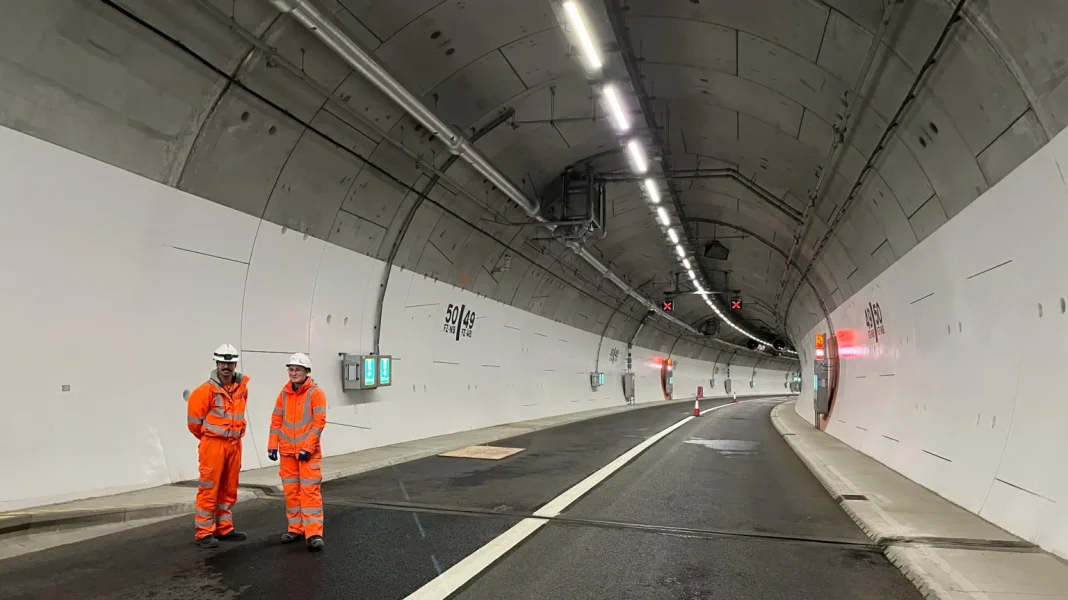


London’s long-awaited Silvertown Tunnel opened to traffic on Monday, marking a significant change for east London’s transport infrastructure. The £2.2 billion tunnel, stretching almost a mile under the Thames from Greenwich to Newham, now operates alongside the Victorian-era Blackwall Tunnel with a new toll system affecting both crossings.
What Does This Mean for Travelers?
For tourists and travelers navigating London’s eastern districts, the new tunnel provides an additional route across the Thames, potentially reducing journey times that were previously hampered by frequent closures of the Blackwall Tunnel – which shuts approximately 700 times annually.
However, visitors should be aware that both tunnels now charge a £4 toll during peak hours for cars. Transport for London (TfL) has implemented this charging system to manage traffic flow and prevent increased congestion and pollution.
“The toll is necessary to control congestion and make sure we deal with the environmental commitments we’ve made in building this tunnel,” explains Stuart Harvey from TfL. “If we didn’t charge, we’d undoubtedly see more traffic coming into the area.”
How to Pay
The toll system operates via automatic number plate recognition cameras. Here’s what travelers need to know:
- Payment must be made within three days of using either tunnel
- Peak times generally apply to northbound morning traffic and southbound afternoon traffic
- Payment can be made online or by phone
- Registering for TfL’s Autopay system is recommended and necessary to access off-peak rates
- Failure to pay could result in a £180 fine
Public Transport Options
For budget-conscious visitors, TfL has introduced several public transport alternatives:
- Free shuttle buses through the tunnel
- A dedicated free bus service for cyclists
- Fully-refundable DLR (Docklands Light Railway) options
Engineering Marvel
Despite the controversy surrounding its environmental impact, the Silvertown Tunnel stands as an impressive feat of engineering. It’s the widest tunnel in the UK, designed to accommodate larger vehicles that couldn’t use the Blackwall Tunnel, including double-decker buses and larger HGVs (Heavy Goods Vehicles).
Mixed Reception
The opening hasn’t been without opposition. Local campaigners and some council representatives have expressed concerns about increased pollution and the introduction of larger vehicles to residential areas.
Victoria Rance from Stop Silvertown Tunnel Traffic and Pollution commented that the tunnel was “going to bring huge juggernauts through Greenwich into Newham… past thousands of kids at schools.”
Local councils have also criticized the toll system, suggesting it creates a “two-tier London” with east London bearing more toll crossings than western areas. While residents in 12 east London boroughs on low incomes can receive a 50% discount, critics argue the charges place an unfair burden during a cost-of-living crisis.
Planning Your Journey
Travelers planning to drive between north and south London via the eastern route should factor the new tolls into their budget and journey plans. For those staying longer in London or making multiple crossings, setting up the TfL Autopay system in advance is advisable.
With the introduction of these tolls, many tourists may find London’s extensive public transport network a more economical option for crossing the Thames, particularly if staying in the city for multiple days.
As London continues to evolve its transport infrastructure to balance congestion management with environmental concerns, the Silvertown Tunnel represents a significant shift in how traffic moves through the capital’s eastern corridor.
A Little Bit of London In Your Inbox Weekly. Sign-up for our free weekly London newsletter. Sent every Friday with the latest news from London!