
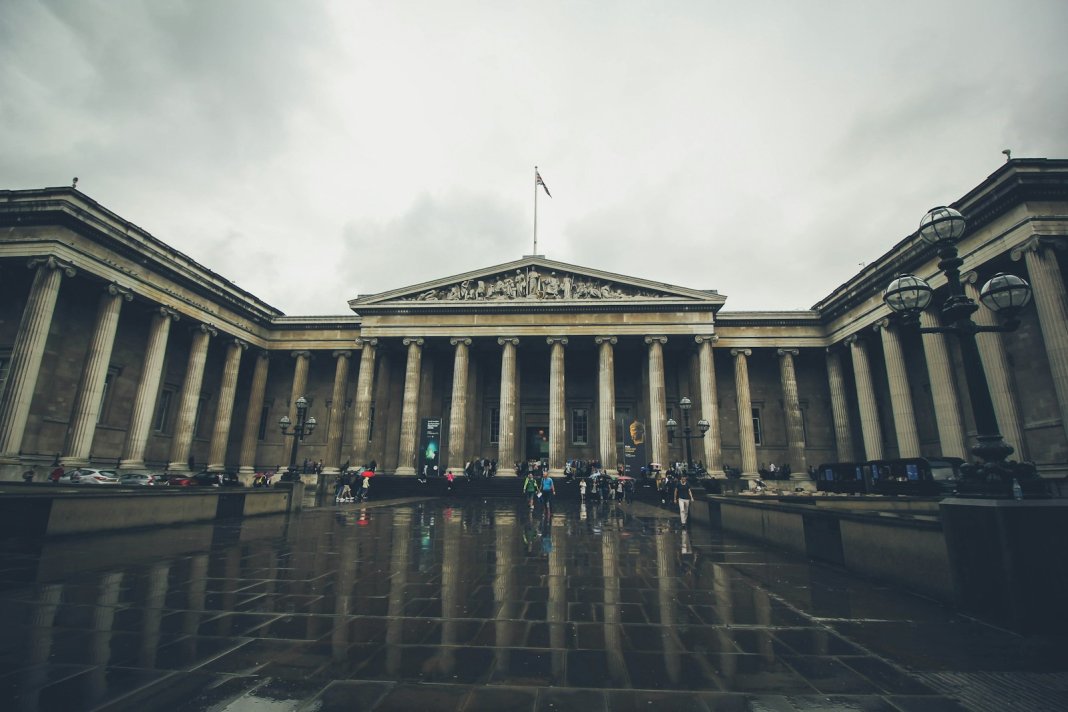


January 15, 1759, marked the day London became the world’s first city to offer free admission to human knowledge. When the British Museum opened its doors to the public, it wasn’t just unveiling a collection of ancient artifacts and curiosities – it was proclaiming a revolutionary idea that would reshape how societies thought about education, culture, and public access to learning. For the first time in human history, ordinary people could walk into a building and explore the treasures of civilizations spanning thousands of years, absolutely free of charge.
The museum’s origins lay in the scholarly obsessions of one remarkable man: Sir Hans Sloane, a physician whose curiosity about the natural world had led him to accumulate one of the most extraordinary private collections in European history. By the time of his death in 1753, Sloane had gathered over 80,000 objects ranging from ancient Egyptian artifacts to pressed flowers, from medieval manuscripts to exotic shells from distant shores. His collection was like Wikipedia made physical – a vast assemblage of human knowledge organized by an insatiably curious mind.
But Sloane’s true genius wasn’t just in collecting – it was in his vision for what should happen to his treasures after his death. Rather than allowing his collection to be dispersed among private buyers or locked away in some aristocrat’s private gallery, he bequeathed it to the nation on condition that Parliament pay his heirs £20,000 – less than half its estimated value. It was an act of remarkable generosity that would transform London’s cultural landscape forever.
Parliament’s decision to accept Sloane’s bequest and establish a national museum wasn’t just about acquiring a impressive collection – it was about embracing Enlightenment ideals of public education and universal access to knowledge. The museum’s founding principles declared that it should be “for the use of learned and studious men, both natives and foreigners, in their researches into the several parts of knowledge.” This wasn’t a private treasure house for the wealthy; it was a public institution dedicated to advancing human understanding.
The museum found its home in Montagu House, a magnificent 17th-century mansion in Bloomsbury that had seen better days but still possessed the grandeur necessary to house such an ambitious undertaking. The building’s transformation from aristocratic residence to public institution symbolized a broader shift in how knowledge and culture were being democratized in Georgian London.
But accessing this temple of learning wasn’t quite as simple as walking through the front door. The museum’s early years were marked by procedures that seem almost comically bureaucratic today. Visitors had to apply in writing for admission, explaining their reasons for wanting to visit and providing references to vouch for their respectability. Successful applicants received tickets for guided tours that lasted exactly one hour, conducted by museum officers who herded groups of visitors through the galleries like shepherds managing particularly curious sheep.
These restrictions weren’t born of elitism but of practical necessity. The museum’s trustees feared that unrestricted access might result in theft, damage, or overcrowding that would compromise their ability to preserve the collections for future generations. They were pioneers in the delicate balance between public access and preservation that still challenges museums today.
The collection itself was a wonderland of human curiosity and achievement. Visitors could marvel at ancient Greek sculptures, examine Egyptian mummies, study medieval illuminated manuscripts, and peer at specimens from Captain Cook’s voyages to the Pacific. The museum’s natural history sections displayed everything from exotic birds to precious stones, while its library contained some of the world’s most important books and manuscripts.
The impact on London’s intellectual life was immediate and profound. The museum became a gathering place for scholars, artists, and curious citizens who found in its galleries a window into worlds they could never have imagined. Writers drew inspiration from ancient texts, artists studied classical sculptures, and natural philosophers examined specimens that helped them understand the diversity of life on Earth.
The museum also played a crucial role in establishing London as a center of international scholarship. Foreign visitors made pilgrimages to Bloomsbury to study collections that were unavailable anywhere else, while British scholars gained access to materials that enhanced their research and teaching. The museum became a kind of intellectual embassy, fostering connections between scholars from different countries and disciplines.
Perhaps most importantly, the British Museum established the principle that cultural treasures belonged not to individuals or institutions but to humanity as a whole. This was a radical idea in an age when most art and artifacts were privately owned and accessible only to the wealthy. The museum’s commitment to free admission – maintained to this day – proclaimed that knowledge and beauty were public goods that should be available to all.
The museum’s library was equally revolutionary. Housing everything from medieval manuscripts to contemporary scientific treatises, it became one of the world’s great research libraries, attracting scholars who helped advance human knowledge in fields ranging from archaeology to zoology. The famous circular Reading Room, added later, would become the workplace of figures like Karl Marx, Charles Darwin, and countless other thinkers who shaped the modern world.
The British Museum’s opening also marked London’s emergence as a global capital of culture and learning. The city that had once been known primarily for its commerce and politics now positioned itself as a center of intellectual achievement that could rival Paris, Rome, or any other European capital. The museum became a symbol of British cultural ambition and achievement that enhanced the nation’s soft power around the world.
The institution also pioneered methods of cataloguing and organizing knowledge that would influence museums and libraries worldwide. The systematic approach to classification and display developed at the British Museum became a model that other institutions copied, spreading London’s influence on how human knowledge was preserved and presented.
But perhaps the museum’s greatest achievement was proving that ordinary people, given the opportunity, would embrace learning and culture with enthusiasm. Despite initial fears that public access would lead to chaos or vandalism, visitors treated the collections with respect and genuine curiosity. The museum demonstrated that education and enlightenment weren’t privileges to be hoarded by elites but aspirations that could be shared by society as a whole.
The British Museum’s opening in 1759 represented more than just another cultural institution in London – it embodied the Enlightenment belief that knowledge, beauty, and understanding could make the world a better place. In providing free access to the treasures of human civilization, London had given itself and the world a gift that continues to enrich lives more than two and a half centuries later.
A Little Bit of London In Your Inbox Weekly. Sign-up for our free weekly London newsletter. Sent every Friday with the latest news from London!