


London isn’t one city; it’s dozens of cities woven together, each with its own distinct personality, accent, and reason for existing. One of the great pleasures of visiting or living in London is that you can spend years here and never fully understand every corner, yet each neighborhood has something distinctive to offer. As an American coming to London, you’ll quickly realize that the stereotypes don’t quite fit—there’s far more variety, quirkiness, and authentic character here than what you’ve seen in films or television.
The trick to really experiencing London is to understand its neighborhoods. The city’s geography is confusing to newcomers because London didn’t grow around a rigid grid like most American cities. Instead, it sprawled organically, absorbing villages and creating distinct communities as it expanded. The Underground map makes sense of the chaos, but only once you understand the actual character of each place will London start to feel like home.
Understanding London’s Layout
London is divided into 32 boroughs, plus the City of London, which is its own ancient fiefdom. However, when Londoners talk about neighborhoods, they’re usually referring to much smaller, more culturally distinct areas that often span multiple official borough boundaries. Think of neighborhoods as the real London, while boroughs are the administrative framework.
The easiest way to think about London geographically is to recognize that the River Thames cuts through everything, and traditionally, North of the Thames and South of the Thames are two different worlds. Most first-time visitors stick to the West End and Westminster, missing out on the incredible diversity that spreads outward from Charing Cross, which was traditionally the geographical heart of the city.
The West End & Soho
If Times Square is the epicentre of New York, Soho and the West End are London’s theatrical, chaotic heart. This is where you’ll find Theatreland, the cinemas of Leicester Square, the neon signs of Piccadilly, and streets packed with restaurants of every cuisine imaginable. It’s overwhelming, touristy, and absolutely worth experiencing, though I’d never suggest actually living here as a visitor on a long stay.
Soho itself deserves special mention because it’s London’s most historic bohemian quarter, a place where musicians, artists, and writers have congregated for centuries. The neighborhood has transformed dramatically—the old sex shops and dive bars have largely been replaced by cocktail lounges and expensive restaurants—but it still maintains some of its raffish charm. Walking through Soho at night, particularly around Greek Street and Frith Street, you’ll find yourself in what feels like a different London from the tourist-packed areas just a few hundred yards away.
What to do here: Catch a West End show (these are equivalent to Broadway but with more variety and different theatrical traditions), eat incredible food, people-watch in Soho Square, explore the independent bookshops and music venues that still hold on here. The Phoenix Theatre, the Palace Theatre, and the Sondheim Theatre (formerly the Queen’s Theatre) offer everything from classic musicals to avant-garde productions.
Who it suits: First-time London visitors who want the theatrical, exciting energy of the city; theater-goers; people who love dense, chaotic urban environments; anyone who wants to feel the pulse of London’s entertainment scene.
Westminster & Central London
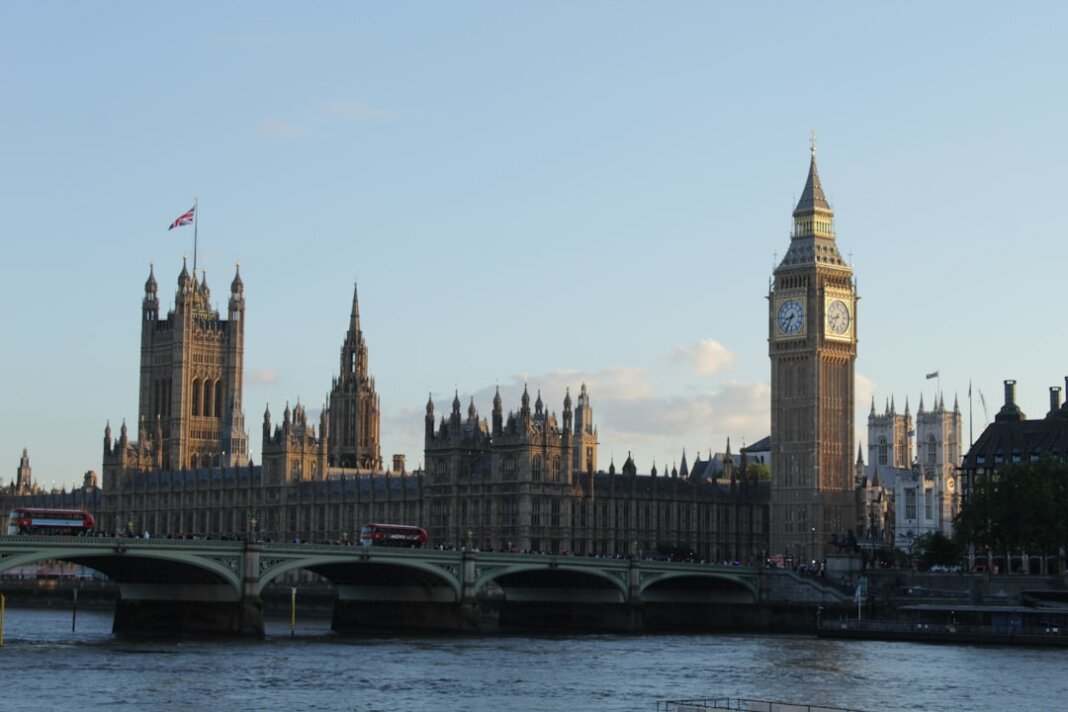
Westminster is where London’s “London” lives—Big Ben, the Houses of Parliament, Westminster Abbey, Buckingham Palace. It’s the London of postcards and fairy tales, and it’s genuinely worth experiencing, though it’s also where you’ll encounter the most tourists and the highest prices.
The walk from Trafalgar Square down Whitehall to the Houses of Parliament is one of the most historically significant walks you can make in London. Every building has carried centuries of British political weight. Westminster Abbey isn’t just a church; it’s the spiritual heart of British monarchy and the burial place of monarchs, poets, and scientists.
Yet Westminster can feel sterile if you’re not careful. The area around Parliament Square is often choked with tourists and coaches. To find the real Westminster, you need to venture into the quieter streets around Smith Square, where you’ll find Georgian townhouses and the sense of what London’s wealthier residents actually lived like.
What to do here: Visit the House of Parliament and Big Ben (if it’s not under renovation), Westminster Abbey, Buckingham Palace (particularly Changing of the Guard at 11 AM on Wednesdays), St. James’s Park, the National Gallery, the National Portrait Gallery, and St. James’s itself, which is one of London’s most elegant neighborhoods.
Who it suits: History buffs, first-time visitors, people interested in British government and monarchy, those who want to see the “iconic” London.
Knightsbridge & South Kensington
This is London’s museum quarter and also its most expensive shopping district. Harrods, the famous luxury department store, anchors Knightsbridge, while South Kensington is home to three world-class museums: the Victoria and Albert Museum, the Natural History Museum, and the Science Museum. All three are free to enter, which is one of the best deals in London.
South Kensington has a curious character—it’s elegant and sophisticated, but also intellectual and slightly detached from the commercial bustle of central London. The streets around the museums are quieter than you’d expect, with good restaurants and genuine neighborhood feel despite the expensive location.
The area suffered a reputation crisis a few years back when it became associated with ultra-wealthy foreign investors buying properties as investments without living in them, creating “Ghost Streets” in some pockets. However, this doesn’t affect the everyday visitor experience. The museums remain some of London’s finest attractions, and the neighborhood itself is pleasant for wandering.
What to do here: Spend a full day in the museums (you could spend weeks and not see everything), explore the South Kensington shops and restaurants, walk through the peaceful areas around Onslow Gardens and Thurloe Square, shop at Harrods if you’re into luxury shopping (though it’s a bit of a tourist circus), visit the Royal Albert Hall if there’s a concert you fancy.
Who it suits: Museum lovers, families, people interested in history and design, those who appreciate elegant, quieter neighborhoods, shoppers.
Chelsea & Fulham
Chelsea is one of London’s most famous neighborhoods, and it has been the home of artists, writers, philosophers, and the bohemian wealthy for centuries. King’s Road runs through the heart of Chelsea and was the center of the Swinging Sixties scene when Mary Quant invented the miniskirt and London became “swinging.”
Today, Chelsea is expensive but slightly less frantically trendy than it once was—it’s matured into a neighborhood of significant accumulated wealth. The Chelsea Flower Show, held annually in May, is one of London’s most prestigious events. Chelsea Physic Garden is a hidden gem of a botanical garden that’s been here since 1673. Chelsea Old Church is a genuine medieval church that survived the Blitz.
The real magic of Chelsea is wandering the mews houses (converted former stables, now among London’s most expensive real estate) and the quiet streets that branch off King’s Road. You’ll feel like you’ve entered a secret village.
What to do here: Walk King’s Road, visit Chelsea Physic Garden, explore the mews houses and residential streets, shop in the independent boutiques, eat in the many restaurants and pubs (try The Pig’s Ear or Picasso’s Tapas), watch people very expensive-looking people going about their lives.
Who it suits: Those interested in art and design history, people who like upscale neighborhoods, anyone who wants to see where London’s wealthy actually live, shoppers.
Kensington
Kensington is Chelsea’s slightly more formal, older neighbor. Where Chelsea is dynamic and trendy, Kensington is established and proper. The area around Kensington Palace is beautiful, with tree-lined streets and grand Victorian architecture. Kensington Gardens, adjoining Hyde Park, is one of London’s loveliest green spaces—less crowded than Hyde Park and with different, more formal character.
Kensington Palace is where Princess Diana lived and where Prince William and his family kept their official London home (Apartment 1A); the family relocated their main residence to Windsor in 2022 and now live at Forest Lodge there. The palace’s State Apartments are open to the public and offer an intimate look at how the royal family actually lives (or lived, in the case of historical displays).
The High Street has everything you’d need, but shopping isn’t really why you come to Kensington—you come for the neighborhood’s calm, elegant atmosphere and its sense of being a residential area where people actually live meaningful lives, not just pass through.
What to do here: Explore Kensington Gardens, visit Kensington Palace, walk the residential streets and admire the architecture, enjoy the quietness, visit the local cafes and restaurants, see the Dutch Garden and the Serpentine Gallery.
Who it suits: Those who appreciate elegant residential neighborhoods, people interested in royal history, anyone seeking a quieter, more refined London experience, families.
Mayfair & Belgravia
These are London’s most aristocratic neighborhoods, and I’ve devoted substantial space to them later in this guide because they deserve it. Mayfair is home to some of the most expensive real estate in the world, Michelin-starred restaurants, exclusive clubs, and the feeling of old-money London. Belgravia is similar but slightly less famous and even more elegant in its understated way.
Walking through these neighborhoods, you’re walking through the London of Downton Abbey, of centuries of accumulated wealth, and of some of the world’s best restaurants. Every street corner has history, and every building tells a story of British aristocracy or Russian oligarchs, depending on the era.
What to do here: Walk around admiring the Georgian and Victorian architecture, eat at one of the world-class restaurants (if you can get a reservation), visit the small galleries and antique shops, people-watch, imagine what it’s like to live in these neighborhoods.
Who it suits: Those interested in British history and aristocracy, architecture enthusiasts, wealthy travelers, people who love elegant neighborhoods, those who’ve watched Downton Abbey and want to see the real thing.
Bloomsbury & Fitzrovia
This is the London of intellectuals, writers, and the Bloomsbury Group—the collection of artists, philosophers, and writers who made this neighborhood their home and fundamentally shaped British cultural life in the early twentieth century. Virginia Woolf, Vanessa Bell, John Maynard Keynes, and others lived around the British Museum, creating a neighborhood where ideas mattered more than wealth.
The British Museum itself is one of the world’s greatest repositories of human culture, though it’s also controversial for its colonial-era acquisitions. The museum is free to enter, and you could spend weeks exploring it without seeing everything.
Bloomsbury is an intellectual neighborhood—quieter, more book-filled, more contemplative than central London. The streets around the museum are lined with second-hand bookshops, academic publishers, and cafes filled with students and researchers. It feels like a village within the city.
What to do here: Visit the British Museum, explore the bookshops and academic institutions, visit the British Library (architecturally stunning and open to the public), eat in the cafes and restaurants frequented by students and academics, explore the British Museum’s Great Court.
Who it suits: Intellectuals, book lovers, history enthusiasts, art lovers, people interested in British culture and literature, museum visitors.
Covent Garden & Leicester Square
Covent Garden is where London’s tourist heart beats alongside genuine neighborhood life. The Covent Garden Market building itself is beautiful—a Victorian structure that was once a fruit and vegetable market and is now filled with shops, restaurants, and performance spaces. Street performers put on shows in the piazza, and the energy is always vibrant.
The area around Covent Garden is excellent for exploring—Neal Street has some of the most interesting independent shops in London, and the surrounding streets are packed with restaurants, pubs, and bars. The Royal Opera House overlooks the piazza and is one of the world’s great opera venues.
Unlike some tourist areas, Covent Garden actually has real life underneath the tourism. The streets around Covent Garden tube station are genuine shopping and working neighborhoods.
What to do here: Visit Covent Garden Market and the piazza, shop on Neal Street and nearby streets, watch the street performers, visit the Royal Opera House (either for a performance or just to explore the building), eat and drink in the numerous establishments, catch a performance at one of the small theaters in the area.
Who it suits: First-time visitors, theater-goers, people who love shopping and market atmosphere, street performance enthusiasts, anyone who wants to experience London’s tourist attractions while still finding real neighborhoods.
Shoreditch & Brick Lane
Shoreditch is East London’s coolest neighborhood, and I’ve devoted an entire article to it, but here’s the quick version: this is where London’s artistic, bohemian, tech-savvy, and experimental communities have established themselves in recent decades. Street art covers the buildings, vintage shops line the streets, markets appear regularly, and the nightlife is legendary.
Brick Lane is the famous street that runs through this area—famous for its curry houses (since the 1970s when Bangladeshi immigrants established themselves here), its bagel shops (Jewish heritage), and now its street art scene.
Shoreditch is the London of the future, where young Londoners create, experiment, eat, and play. It’s gritty, authentic, and constantly evolving.
What to do here: Explore street art, shop in vintage stores, eat at markets or curry houses, experience the nightlife, visit galleries and independent cafes, walk along Brick Lane, visit Spitalfields Market.
Who it suits: Young travelers, those interested in art and counterculture, foodies, night-life enthusiasts, those who want to see contemporary London culture.
Greenwich
Greenwich is where London goes to feel like it’s on the edge of the city while still being part of it. It’s home to the Royal Observatory, the Meridian Line that divides east from west, the Cutty Sark, and Greenwich Park. The walk along the Thames to Greenwich from the City is one of London’s great walks.
Getting to Greenwich by boat is part of the experience—the river provides perspective that you can’t get on the Underground. Greenwich feels like a village with serious history and genuine character. The market is excellent, and the food scene has really developed in recent years.
What to do here: Visit the Royal Observatory and the Meridian Line, see the Cutty Sark, explore Greenwich Park, take the boat to or from central London, visit the market, eat dinner somewhere with a Thames view.
Who it suits: History and science enthusiasts, families, those who want to get away from central London while staying in the city, anyone interested in maritime history.
Notting Hill
Notting Hill is the London of the Hugh Grant film, except it’s also much more real and complex than that movie would suggest. Yes, there’s the Portobello Road Market with its vintage stores and antiques. Yes, there are beautiful Victorian townhouses with colorful doors. But there’s also genuine community, excellent restaurants, bookshops, and the energy of a neighborhood that’s been home to waves of immigrants and is now one of London’s most desirable areas.
The annual Notting Hill Carnival, held over the August bank holiday weekend, is one of Europe’s largest street carnivals and celebrates Caribbean and British culture. If you’re in London in August, it’s absolutely worth experiencing.
What to do here: Walk Portobello Road, explore the Victorian architecture, visit the bookshops, eat in the restaurants, experience the market atmosphere, visit in August for Carnival if the timing works.
Who it suits: Those who love bohemian, artistic neighborhoods, book lovers, shoppers, people interested in British cultural diversity, anyone who loved the film.
King’s Cross & Camden
King’s Cross is fascinating because it’s in the middle of a massive transformation. Once a somewhat dodgy, industrial area, it’s now a destination neighborhood with restaurants, galleries, independent shops, and new residential development. The Kings Place arts venue is excellent, and the area has real energy without having lost all of its grit.
Camden, just north of King’s Cross, is one of London’s most famous neighborhoods—home to the alternative scene, music venues, vintage shops, and Camden Market. It’s chaotic, crowded, touristy, but also genuinely interesting. The Lock is a canal-side area that’s particularly charming.
What to do here: Visit Camden Market, explore the vintage shops, catch live music, walk along the Regent’s Canal, visit Kings Place in King’s Cross, shop on Camden High Street.
Who it suits: Younger travelers, those interested in alternative culture and music, vintage shopping enthusiasts, those who like chaotic, bohemian energy.
The South Bank
The South Bank is where London turned its back to the Thames and then recently turned around again to face it. The South Bank Centre (which includes the Barbican, the National Theatre, the Royal Festival Hall, and the National Film Theatre) is one of Europe’s great cultural institutions. The Tate Modern art museum is one of the world’s best contemporary art museums.
Walking along the Thames on the South Bank—from Westminster Bridge all the way to Tower Bridge and beyond—is one of London’s essential experiences. You see London from a completely different perspective, and the walk connects many of the city’s greatest attractions.
What to do here: Visit the Tate Modern, the National Theatre, catch a film at the BFI, walk along the Thames, visit the Shakespeare’s Globe Theatre (rebuilt), explore the restaurants and bars that line the river.
Who it suits: Art lovers, theater-goers, river walk enthusiasts, anyone who wants a different perspective on London.
Tower of London & The City
The Tower of London is one of London’s most visited attractions, and for good reason—it’s been the center of English power, intrigue, and history for nearly 1000 years. The Crown Jewels are here, and the Yeoman Warders (Beefeaters) offer excellent tours.
The City of London (not the same as greater London) is the ancient historic heart of the city and its modern financial center. Walking through the narrow medieval streets between the corporate towers gives you a sense of the layers of history that make up London.
What to do here: Visit the Tower of London and Crown Jewels, walk the streets of the City, visit St. Paul’s Cathedral, explore the ancient alleyways and courtyards.
Who it suits: History enthusiasts, those interested in British monarchy, visitors interested in London’s oldest areas.
Choosing Your Neighborhood
The question of which neighborhood is right for you depends on what you want from London. Are you a history buff who wants to walk in the footsteps of centuries? Head to Westminster, the City, or the Tower. Are you interested in contemporary art and culture? Shoreditch, the South Bank, or Bloomsbury. Do you want elegant residential neighborhoods where you can imagine what it’s like to actually live in London? Chelsea, Belgravia, Kensington, or Notting Hill.
First-time visitors often make the mistake of staying in central tourist zones when they’d have a better, more authentic experience staying in a residential neighborhood and taking the tube into central London for specific attractions. The neighborhoods away from the absolute center—Notting Hill, Shoreditch, Greenwich, Bloomsbury—often give you a more genuine sense of London life.
The beauty of London is that you can spend a week, a month, or a year here and still discover new neighborhoods, new corners, new pubs and restaurants, new galleries and bookshops. Every Londoner has their favorite hidden spots, and one of the great pleasures of the city is that there’s always another neighborhood waiting to surprise you.
The London neighborhoods aren’t competing with each other for your attention—they’re complementary pieces of a vast, complex, constantly evolving city. The best London experience involves dipping into several different areas, each one showing you a different facet of what makes this city endlessly interesting to explore.


Free London Weekly Newsletter
A Little Bit of London In Your Inbox Weekly. Sign-up for our free weekly London newsletter. Sent every Friday with the latest news from London!