


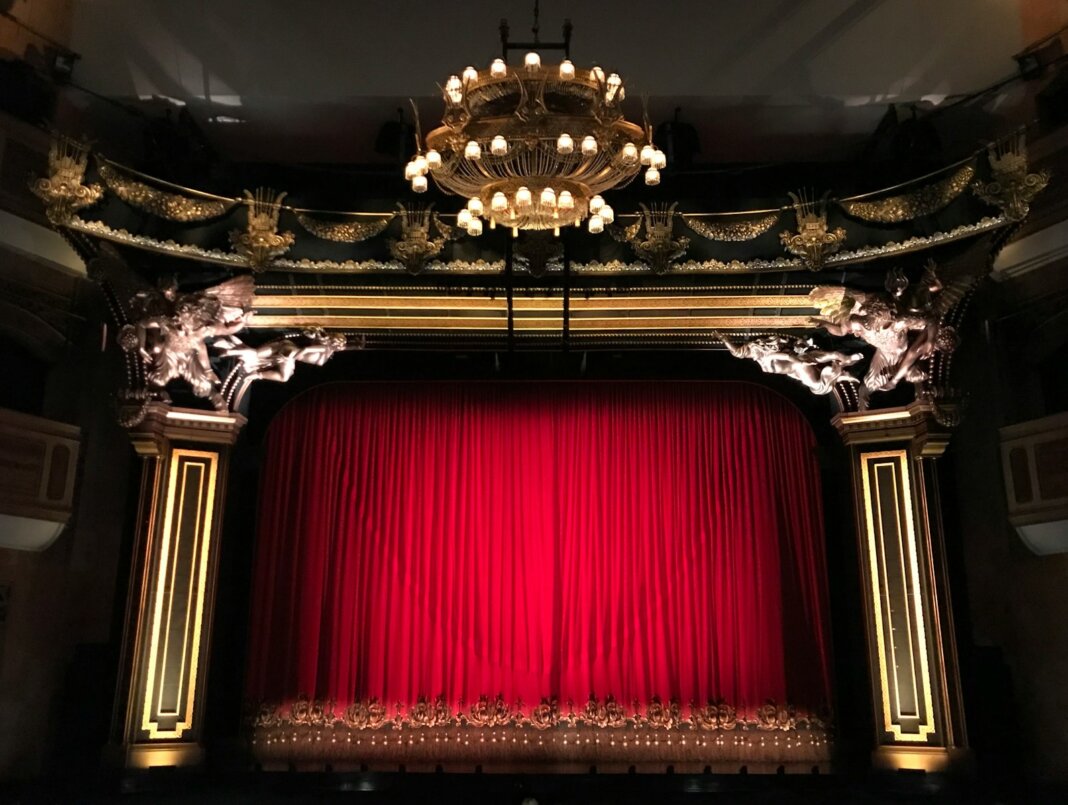

Every culture has unwritten rules about how to behave in public spaces, and theatre is a particularly rule-governed space. Walk into a West End theatre as an American, and you might be surprised by some of the expectations — some are more relaxed than you’d expect, some are stricter. Understanding theatre etiquette before you arrive will make your evening more enjoyable and will ensure you don’t accidentally commit a social faux pas that marks you as obviously American (not that being American is a problem, but blending in is always more pleasant).
The great news is that London theatre etiquette is generally relaxed and human-centered compared to some theatre traditions. British people, despite their reputation for formality, have a practical approach to theatre that’s less pretentious than you might expect. You don’t need to be stiff or uncomfortable. You just need to be thoughtful about how your behavior affects the people around you and the performers on stage.
Dress Code: It’s More Relaxed Than You Think
Americans often worry about dress codes for theatre, and this worry is understandable. Theatre has a reputation for being formal. The good news is that West End dress code is far more relaxed than the Broadway equivalent and certainly more relaxed than it was historically.
Here’s the honest truth: you can wear jeans to the West End. People do. Nobody cares. You will not be turned away from a theatre because you’re wearing jeans. You will not be judged (at least not by anyone whose judgment matters). Theatres in London want people to come and see shows, and they’ve realized that making people feel unwelcome by enforcing dress codes is counterproductive.
That said, there’s an implicit understanding that you’ll make a bit of an effort. Not a huge effort, but something beyond “I’m wearing the clothes I slept in.” A nice pair of jeans with a decent top is fine. Casual dresses are fine. Trousers and a shirt are fine. Trainers are fine. Essentially, if you wouldn’t wear it to run errands around your neighborhood, it’s probably a bit too casual for theatre. But anything more formal than that is appropriate.
The only time you need to think more carefully about your dress is if you’re going to a special event like an opening night or a gala performance. These are occasions where people might dress up more formally. But for a regular evening or matinee, just be yourself. Comfort is important — you’re going to be sitting for two or three hours — so wear something you feel good in and that’s appropriate for the weather.
One last note: people do dress up for theatre more than they dress up for cinemas or other entertainment. Women often wear dresses or nicer clothes, and men often wear shirts and trousers rather than t-shirts and jeans. This isn’t a rule; it’s a cultural tendency. You can certainly buck the trend, but being aware of it might help you understand what’s happening around you.
The Interval: The Most Important Part
Here’s something that surprises American theatre-goers: the interval is not a brief break where you stay in your seat. The interval is when you get up, move around, and go to the bar. This is not optional. This is what you do.
When the interval comes — and you’ll know it’s coming because the actors will leave the stage, the lights will come up, and the audience will immediately stand up and start moving toward the aisles — you should go to the bar or the lobby. Get a drink, get some ice cream, use the toilet, stretch your legs. If you’re sitting next to the aisle, brace yourself for the stampede of people trying to maximize their 15 minutes of bar time.
The bar during the interval is where the social life of the theatre happens. People gather with their companions. Strangers chat. There’s buzz and energy. You’re part of a community of people who’ve paused a shared experience to take a breath. Staying in your seat during the interval is actually quite antisocial — you’re swimming against the cultural current and missing an important part of the theatre-going experience.
One practical note: if you want a drink during the interval, arrive early and scout out the bar. The bar gets incredibly crowded in the minutes immediately following the lights coming up. If you know where it is and have a strategy for getting there quickly, you’ll have a much better experience.
Ice Cream in the Auditorium
Here’s something that shocks Americans about London theatre: you can eat ice cream whilst the show is happening. Not during the interval, but during the actual performance. People buy ice cream, sit in their seats, and eat it as the second act is happening.
This seems bizarre to anyone accustomed to American theatre, where eating in the auditorium is actively discouraged. But in London, ice cream is sold specifically for this purpose. It’s part of the theatre culture. If you want to get ice cream during the interval and eat it whilst watching the second act, this is entirely normal and acceptable.
Obviously, you shouldn’t be crunching loudly or making a mess, and if you’re eating something with a strong smell, be considerate of your neighbors. But the ice cream is actively sold by the theatre, which tells you everything you need to know about whether it’s acceptable.
The ice cream culture is part of what makes West End theatre feel more relaxed and human than theatre in some other cities. You’re allowed to enjoy yourself. You don’t need to sit in rigid silence. You can have an ice cream. You can chat during the interval. You can relax.
Phone Rules
Here’s where London theatre culture becomes strict: phones. Do not use your phone in the auditorium. Do not record. Do not take photographs once the performance begins. The lights dim, the performance starts, and your phone should be off and in your pocket.
This is not a rule that’s usually stated explicitly, but it’s an absolute rule. And the reason it’s absolute is that it matters. Theatre is a live performance happening in front of you. Your phone is distracting to the people sitting around you. More importantly, it’s rude to the actors. They’re performing live, right in front of you, and every person checking their phone is saying “I’m not interested enough in your performance to give it my full attention.”
London audiences enforce this rule through social pressure and through ushers if it’s egregious. If someone’s phone goes off or they start using it, they’ll be approached. Theatre etiquette in London does allow for social enforcement of rules.
Turn off your phone (not just silent — actually off) before the show starts. Check your messages during the interval. But once the curtain goes up, your phone should not be visible.
When to Clap
Clapping when an actor delivers a particularly good line or when the ensemble does something spectacular is generally not done in London theatre. This is different from Broadway, where audiences often respond with applause in the middle of scenes. In London, the convention is to wait until the end of a scene, or preferably the end of the act, to applaud.
This is partly about tradition — the idea being that applause during a scene breaks the theatrical moment — and partly about the British tendency toward restraint. Clapping enthusiastically at the end of a show is absolutely expected and encouraged. But mid-scene applause is generally avoided.
That said, if you feel moved to clap during a scene, do it. You won’t be scolded. But you’ll notice that you’re the only one, and you might feel slightly self-conscious. It’s not a rule you’ll be punished for breaking, but it’s a convention that most people follow.
Standing Ovations
Standing ovations at the West End are less common than they are on Broadway. This isn’t because people appreciate theatre less. It’s because of a cultural reserve about expressing emotion overtly. A standing ovation in London is reserved for shows that genuinely blow audiences away or for famous actors or special occasions. You might go to a brilliant show and the audience will stay seated whilst applauding — enthusiastically, but seated.
This shouldn’t depress you. Sitting and clapping enthusiastically is a genuine expression of appreciation. The standing ovation culture of Broadway is partly about tourism and about the American tendency toward overt emotional expression. London’s sitting ovation culture is no less real.
That said, if you feel moved to stand at the end of a show, stand. You won’t be the only one, and nobody will judge you. Theatre is ultimately about your response to what you’ve experienced.
General Courtesy
Beyond these specific etiquette points, general courtesy applies. Be on time (actually, be early). Don’t chat loudly during the show. Don’t kick the seat in front of you. If you’re going to cough, do your best not to do it during a tender emotional moment (I’m joking, but also not really — timing your cough for after the dramatic climax rather than during it is genuinely appreciated by actors).
Theatre is live. The actors can hear you. They can see you. Your attention and respect matter. If you treat the performance with the respect you’d want your own work treated with, you’ll be fine.
Regional Variations
One last note: what I’ve described is West End etiquette, which is fairly universal across London’s major theatres. Some fringe theatres or experimental venues might have different cultures. Off-West End theatres might be more relaxed about various conventions. The smaller the theatre, often the more relaxed the culture. But at the major West End venues, the etiquette I’ve described is what you’ll encounter.
The Bottom Line
London theatre etiquette is built on courtesy and an understanding that theatre is a shared experience. Dress comfortably, use the interval, turn off your phone, and enjoy yourself. That’s really all there is to it. The fact that you’re making the effort to go to a West End theatre means you’re already being a good audience member. The rest is just being thoughtful about how your behavior affects the people around you and the performers on stage.




A Little Bit of London In Your Inbox Weekly. Sign-up for our free weekly London newsletter. Sent every Friday with the latest news from London!