

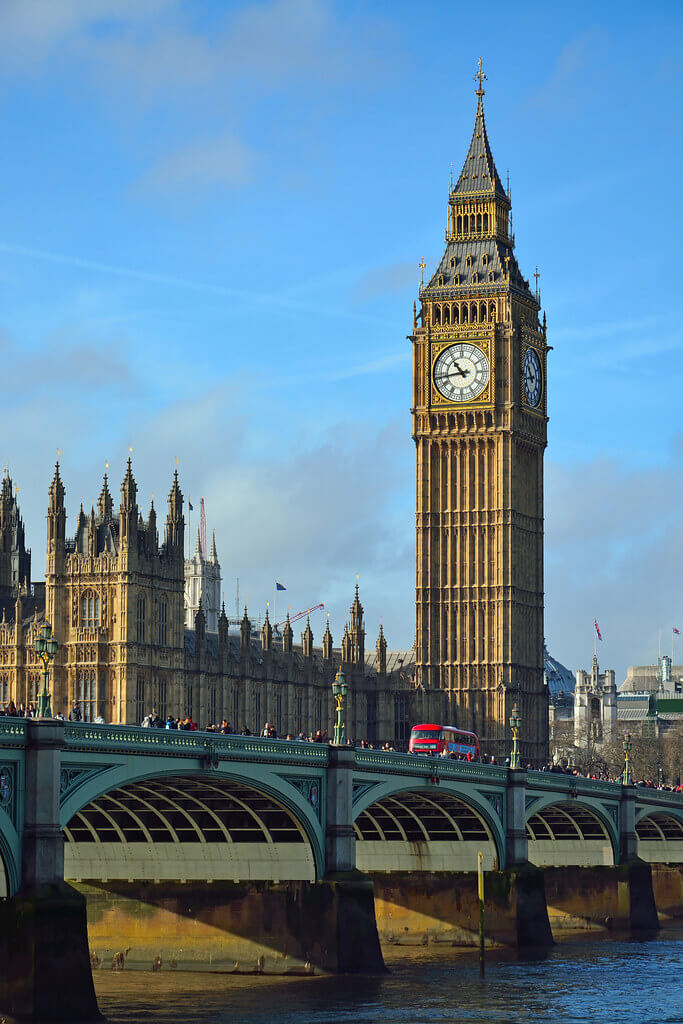


Stand anywhere along the Thames near Westminster, and your eyes will inevitably drift upward to one of the world’s most recognizable landmarks. Most people call it Big Ben, but here’s the thing: they’re only partially right. The story of this Victorian masterpiece is wrapped in a delightful naming confusion that even many Londoners get wrong.
What’s in a Name?
Let’s clear this up once and for all. Big Ben is not the tower—it’s the bell. The Great Bell, to be precise, weighing in at a hefty 13.5 tons, is what earned the nickname “Big Ben,” though historians still debate whether it was named after Sir Benjamin Hall, the Commissioner of Works at the time, or Benjamin Caunt, a popular heavyweight boxer of the era. The tower itself was originally called the Clock Tower, a rather straightforward name that served it well for over 150 years.
In 2012, everything changed. To celebrate Queen Elizabeth II’s Diamond Jubilee—60 years on the throne—Parliament voted to rename the Clock Tower as the Elizabeth Tower. It was a rare honor; the only other tower at the Palace of Westminster to bear a royal name is the Victoria Tower, named after Queen Victoria. Yet despite the official rechristening more than a decade ago, “Big Ben” remains the name on everyone’s lips, a testament to the power of a catchy nickname over official nomenclature.
To add another layer to the naming puzzle, there are actually five bells in the tower. Big Ben, the hour bell, is joined by four quarter bells that chime every fifteen minutes, playing the famous Westminster Quarters melody that has been mimicked by clocks and doorbells around the globe.
A Victorian Engineering Marvel
The tower was designed by Augustus Pugin and completed in 1859 as part of the new Palace of Westminster, which rose from the ashes after the devastating fire of 1834. Standing 316 feet tall, the Gothic Revival masterpiece houses not just bells but one of the world’s most accurate public clocks. The four clock faces, each 23 feet in diameter, were once the largest in the world, and the hour hands alone measure nine feet long.
The clock’s accuracy is legendary. The mechanism is so precisely calibrated that adjustments are made by adding or removing old penny coins from the pendulum—each penny changes the clock’s speed by two-fifths of a second per day. This Victorian ingenuity has kept London’s time for more than 160 years, through world wars, celebrations, and the relentless march of history itself.
The Great Restoration
By the 21st century, even the most stalwart Victorian engineering needed serious care. In 2017, Elizabeth Tower began the most extensive conservation project in its history, a painstaking restoration expected to take four years. It ended up taking five, with the bells finally ringing out again in 2022.
The silence of Big Ben was jarring for Londoners. For the first time in decades, the iconic bongs that marked the hours fell quiet, save for special occasions like Remembrance Sunday and New Year’s Eve. The tower was cocooned in scaffolding, and workers set about addressing over a century and a half of wear, pollution damage, and necessary upgrades.
The renovation was comprehensive. Craftspeople meticulously restored the tower’s ornate stonework, repairing and cleaning the intricate Gothic details that had been obscured by decades of London grime. The four clock faces received particular attention—each 312 individual pieces of opalescent glass were removed, cleaned, and repaired. The cast-iron framework behind the clock faces was completely refurbished and repainted in its original Prussian blue, a color that had been hidden under black paint added during the First World War to make the clock less visible to German Zeppelins.
Perhaps the most surprising discovery came when conservators removed later paint layers to reveal that the clock faces were originally painted blue rather than black, and the tower’s interior ironwork was a vibrant red, green, and gold—far more colorful than anyone had imagined. These historical colors were restored, bringing back Victorian vibrancy to this Gothic icon.
The bells themselves were carefully maintained, Big Ben’s hammer mechanism was adjusted, and modern additions were sensitively incorporated. A lift was installed for accessibility, bringing the tower into the 21st century while preserving its 19th-century soul. Fire safety systems, lighting, and other essential services were upgraded, ensuring the tower will stand proud for generations to come.
A Symbol That Transcends Names
Whether you call it Big Ben or Elizabeth Tower, this Gothic spire remains more than just a clock tower. It’s a symbol of resilience—it survived the Blitz when the Palace of Westminster was bombed, it has rung in new years and marked national moments of silence, and it continues to stand as a beacon of British identity.
The recent restoration ensures that this icon will continue to dominate the Westminster skyline, its bells ringing out over the Thames for at least another 150 years. And while purists may continue to insist on calling it Elizabeth Tower, most of the world will keep using the name Big Ben—proof that sometimes, the nickname is mightier than the official title.
Next time you hear those famous bongs echoing across London, you’ll know the truth: you’re hearing Big Ben, housed within Elizabeth Tower, marking time just as it has done since Queen Victoria’s reign. And that, by any name, is truly iconic.
A Little Bit of London In Your Inbox Weekly. Sign-up for our free weekly London newsletter. Sent every Friday with the latest news from London!