


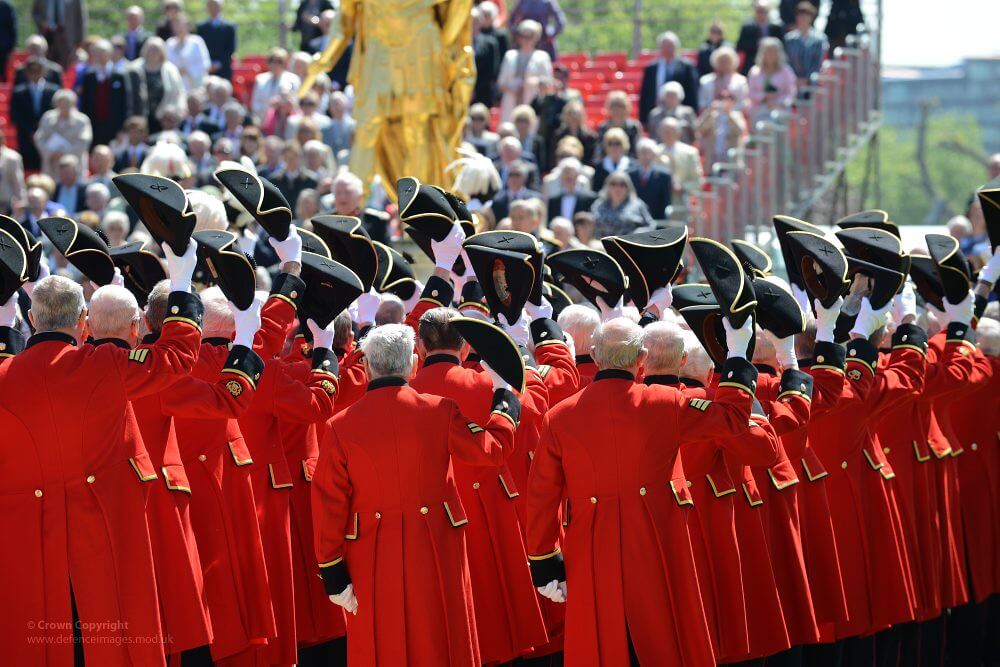


Among London’s most distinctive and beloved figures, few command the same instant recognition and deep respect as the Chelsea Pensioners in their iconic scarlet coats. These distinguished military veterans, residing at the Royal Hospital Chelsea, represent over three centuries of British military service and sacrifice. Their unmistakable red uniforms have become synonymous with honor, tradition, and the living history of Britain’s armed forces, making them one of London’s most cherished and enduring symbols.
Origins in Royal Compassion
The institution of the Chelsea Pensioners dates to 1682, when King Charles II founded the Royal Hospital Chelsea as a refuge for veteran soldiers who had served their country with distinction. Inspired by Louis XIV’s Hôtel des Invalides in Paris, Charles II recognized the need to provide care for soldiers who had given their prime years to military service but found themselves without means of support in their later years.
The Royal Hospital was designed by Sir Christopher Wren, architect of St. Paul’s Cathedral, as both a practical residence and a symbol of national gratitude. The magnificent buildings, set in extensive grounds along the Thames, provided not just shelter but dignity for men who had served in an era when military pensions were rare and social support minimal.
The first Chelsea Pensioners admitted in 1692 were veterans of campaigns spanning Europe and beyond, men who had served in the Wars of the Spanish Succession, the Dutch Wars, and countless other conflicts that shaped Britain’s emergence as a global power. From the beginning, the institution represented more than charity—it embodied the principle that a nation must care for those who served in its defense.
The Scarlet Uniform: Symbol of Service
The distinctive scarlet uniform that makes Chelsea Pensioners instantly recognizable has remained largely unchanged since the 18th century, representing one of the oldest continuously worn military uniforms in the world. The full dress uniform consists of a scarlet coat with elaborate brass buttons, dark blue facing, and white collar, worn with matching scarlet waistcoat and dark blue trousers.
The scarlet color was chosen deliberately—it was the traditional color of British infantry uniforms, connecting the pensioners to their military heritage while distinguishing them from active service personnel. The rich red cloth symbolized both the blood shed in service and the honor earned through sacrifice, creating a visual reminder of their contributions to British history.
Each uniform is individually tailored and maintained to exacting standards, with pensioners taking considerable pride in their appearance. The brass buttons bear the Royal Hospital’s distinctive thistle emblem, while various insignia indicate length of service and military achievements. The uniform serves as both formal dress and symbol of continuing military identity, allowing pensioners to maintain their connection to service life.
The summer uniform features a lighter scarlet tunic, while the winter version includes the famous scarlet greatcoat that has become synonymous with the Chelsea Pensioners’ public appearances. These garments are crafted by traditional military tailors using techniques and patterns that have remained consistent for generations.
Life at the Royal Hospital
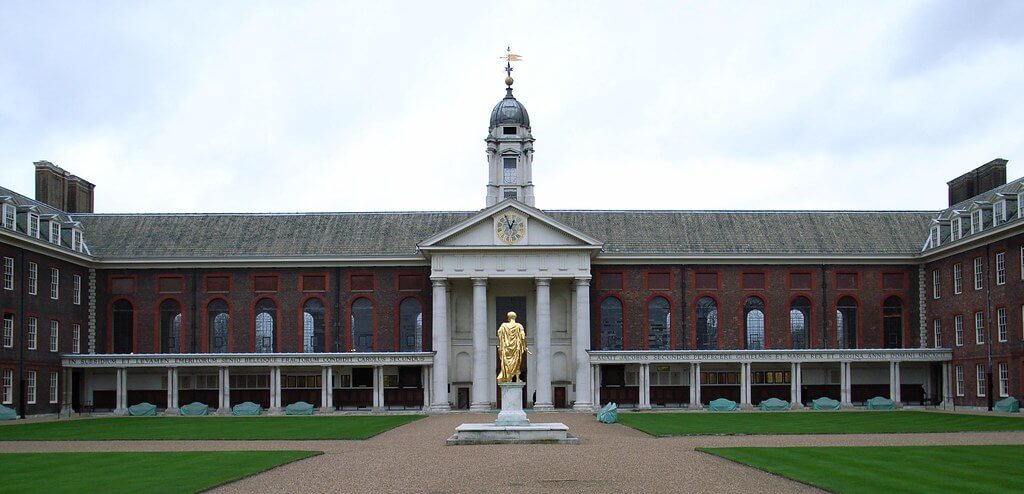
Today, approximately 300 Chelsea Pensioners live at the Royal Hospital, forming a unique community of veterans from conflicts spanning the Korean War to recent operations in Afghanistan and Iraq. To qualify for admission, veterans must be over 65, have served at least 12 years in the British Army, and demonstrate both financial need and good character.
The pensioners live in individual rooms within the historic buildings, sharing communal facilities including dining halls, recreation rooms, and medical facilities. The institution provides comprehensive care, including healthcare, accommodation, and a small pension, ensuring that no veteran faces hardship in their later years.
Daily life follows a structured routine that maintains military traditions while allowing for personal freedom. Pensioners participate in daily prayers, formal meals, and various activities, but are free to pursue personal interests and maintain connections with the outside world. Many continue to serve their community through volunteer work, educational programmes, and public appearances.
The Great Hall serves as the ceremonial heart of the hospital, where pensioners gather for formal meals and important occasions. The hall’s portraits of monarchs and military heroes create a continuous connection between current residents and centuries of British military history.
Public Role and Cultural Impact
Beyond their residence at the Royal Hospital, Chelsea Pensioners serve as living ambassadors for British military heritage. They appear at state occasions, ceremonial events, and public celebrations, their scarlet uniforms adding dignity and historical continuity to contemporary proceedings.
The annual Founder’s Day parade in June represents the pensioners’ most significant public appearance, when they march in full dress uniform to commemorate Charles II’s royal birthday. The ceremony attracts thousands of spectators and demonstrates the continuing vitality of this historic institution.
Chelsea Pensioners regularly participate in Remembrance Day ceremonies, state funerals, and royal occasions, serving as visible links between past and present military service. Their presence at these events provides emotional resonance and historical authenticity that no other participants can match.
The pensioners also serve an educational role, sharing their experiences with school groups, historians, and military enthusiasts. Their firsthand accounts of military service, conflict, and comradeship provide invaluable insights into recent military history and the human cost of warfare.
Symbols of Resilience and Sacrifice
The Chelsea Pensioners embody values that resonate deeply with British society: service, sacrifice, resilience, and dignity in later life. Their scarlet uniforms serve as visual reminders of these principles, making abstract concepts of military service tangible and personal.
Each pensioner carries decades of military experience, having served in various capacities across the globe. Their collective memories encompass the end of empire, the Cold War, and contemporary conflicts, making them living repositories of British military history.
The pensioners’ public appearances often evoke strong emotional responses, with many citizens viewing them as representatives of all military veterans. Their advanced age and distinguished bearing create powerful imagery that connects contemporary Britain with its military heritage.
Continuing Relevance
In modern Britain, the Chelsea Pensioners remain as relevant as ever, serving as advocates for veteran welfare and military recognition. Their visibility helps maintain public awareness of military service and the ongoing need to support veterans transitioning to civilian life.
The institution has adapted to changing demographics and needs while maintaining its core mission. Recent pensioners include veterans of the Falklands War, Gulf conflicts, and operations in Iraq and Afghanistan, ensuring that the Royal Hospital continues to serve contemporary military veterans.
The pensioners’ presence in London provides a unique connection between the capital and Britain’s military heritage. Their scarlet uniforms create moving encounters on London streets, where chance meetings between pensioners and the public often result in expressions of gratitude and respect.
Living Heritage
The Chelsea Pensioners represent more than historical curiosity—they embody the principle that a nation must honor those who served in its defense. Their scarlet uniforms serve as visible symbols of this commitment, creating daily reminders of military service and sacrifice.
For London, the Chelsea Pensioners provide a unique form of living heritage, where history walks the streets in human form. Their presence enriches the capital’s cultural landscape while serving as powerful symbols of continuity, service, and national gratitude.
In an era of rapid change, the Chelsea Pensioners in their timeless scarlet coats remind us that some values transcend time—courage, service, and the collective responsibility to care for those who have served their country with honor and distinction.
Visiting the Royal Hospital Chelsea
The Royal Hospital Chelsea is open to the public Monday to Saturday, with guided tours available that showcase Sir Christopher Wren’s magnificent buildings, the Great Hall, and the chapel where pensioners gather for daily prayers. The highlight is the new museum in the beautifully restored 18th-century stable block, which tells the story of the hospital’s 340-year history and the broader narrative of the British Army through interactive displays and personal artifacts. Entry to the museum is free, though donations are welcomed, and visitors often have the opportunity to meet current Chelsea Pensioners who serve as knowledgeable guides. The Royal Hospital is located on Royal Hospital Road in Chelsea, easily accessible by bus or Underground (Sloane Square station), with limited parking available. Tours typically last 45 minutes to an hour, and advance booking is recommended, particularly during peak tourist season and around special events like the annual Founder’s Day parade in June.
A Little Bit of London In Your Inbox Weekly. Sign-up for our free weekly London newsletter. Sent every Friday with the latest news from London!