


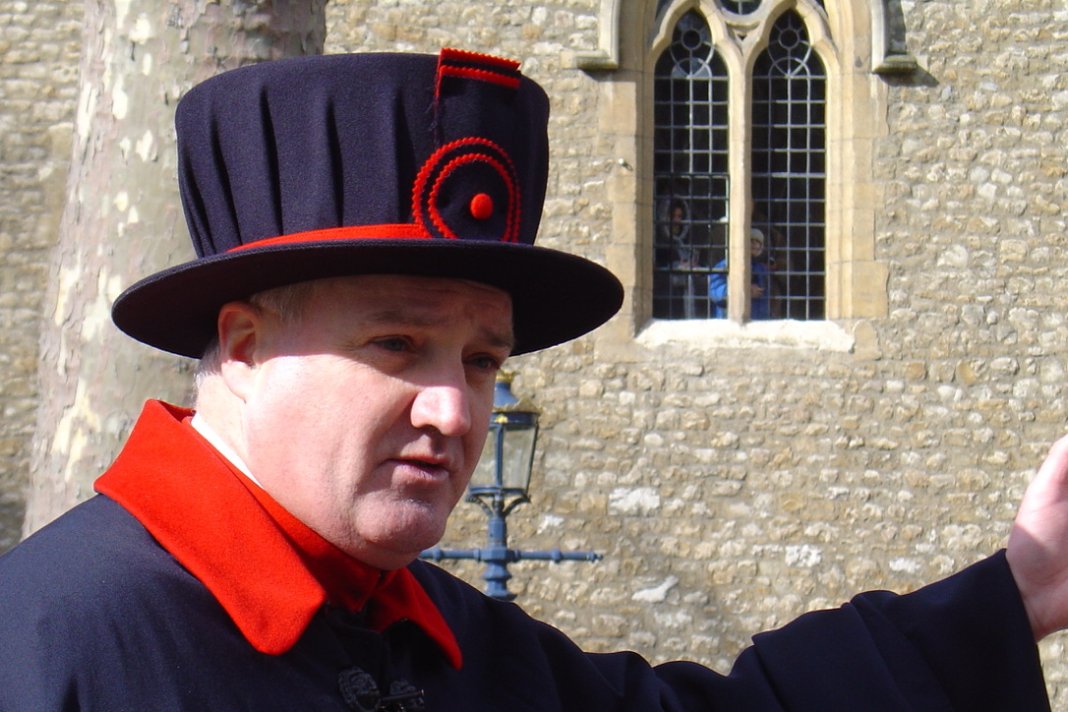


Standing guard at the Tower of London in their distinctive Tudor uniforms, the Yeoman Warders—popularly known as Beefeaters—represent one of London’s most enduring and beloved traditions. These ceremonial guardians embody nearly five centuries of royal history, serving as both protectors of the Crown Jewels and engaging ambassadors who bring the Tower’s dramatic past to life for millions of visitors each year. More than mere tourist attractions, the Beefeaters are living links to London’s medieval heritage and symbols of unwavering loyalty to the Crown.
Origins in Royal Service
The institution of the Yeoman Warders dates to 1485, when King Henry VII established the “Yeomen of the Guard” as his personal bodyguard following his victory at the Battle of Bosworth Field. This elite corps of loyal retainers was tasked with protecting the monarch during an era of political instability and frequent assassination attempts. The original yeomen were chosen for their proven military service and absolute loyalty to the Tudor dynasty.
The specific role of Tower guards emerged during Henry VIII’s reign in the 1540s, when a dedicated group of Yeoman Warders was appointed to guard the Tower of London, the Crown Jewels, and the royal prisoners held within its walls. These warders were selected from the most trusted members of the Yeoman of the Guard, reflecting the critical importance of their duties in protecting both royal treasures and state secrets.
The term “Beefeater” itself has disputed origins, though the most widely accepted explanation relates to their privileged position in the royal household. Unlike common soldiers who received basic rations, Yeoman Warders were permitted to eat beef from the king’s table—a luxury that marked their elevated status. This privilege became so associated with their role that “Beefeater” became their popular designation, though their official title remains Yeoman Warder.
Duties and Responsibilities
Throughout their history, Beefeaters have combined ceremonial duties with genuine security responsibilities. During the Tower’s active period as a royal prison, warders were responsible for guarding high-profile prisoners including Anne Boleyn, Guy Fawkes, and Rudolf Hess. They served as jailers, ensuring that state prisoners remained secure while often developing complex relationships with their notable charges.
The role required discretion, loyalty, and considerable courage. Warders frequently found themselves at the center of political intrigue, privy to state secrets and responsible for implementing royal justice. Many executions within the Tower grounds were overseen by Yeoman Warders, who maintained order during these solemn occasions while ensuring that royal commands were carried out with appropriate dignity.
Modern Beefeaters continue this tradition of trusted service, though their duties have evolved significantly. Today, they serve as guardians of the Crown Jewels, conducting security patrols and ensuring the safety of one of the world’s most valuable collections. They also perform ceremonial functions during state occasions and royal visits, maintaining traditions that connect contemporary Britain with its medieval past.
The Famous Uniform
The Beefeater uniform is instantly recognizable worldwide, representing one of the most distinctive and elaborate ceremonial costumes in continuous use. The everyday “blue undress” uniform features a dark blue tunic with red trim, crowned by a Tudor bonnet bearing the royal cipher. However, it is the scarlet and gold state dress uniform that truly captures public imagination.
The state dress uniform, worn during special ceremonies and formal occasions, dates to Tudor times with remarkably little modification. The scarlet tunic features elaborate gold embroidery depicting roses, thistles, and shamrocks—symbols of England, Scotland, and Ireland. The iconic Tudor bonnet, black velvet adorned with red, white, and blue ribbons, completes an ensemble that would be familiar to Henry VIII himself.
Each uniform is individually tailored and represents a significant investment, with state dress uniforms costing thousands of pounds. The elaborate embroidery is still completed by hand using traditional techniques, ensuring that each uniform maintains the standards of craftsmanship established centuries ago. Warders take considerable pride in their appearance, understanding that they represent not just the Tower but British heritage itself.
Selection and Service
Becoming a Beefeater requires exceptional military service and unwavering character. Candidates must have completed at least 22 years of military service, achieved the rank of Warrant Officer or above, and received the Long Service and Good Conduct Medal. This rigorous selection process ensures that only individuals with proven dedication to service and exemplary character join the corps.
The position offers unique privileges alongside its responsibilities. Beefeaters and their families live within the Tower of London in grace-and-favor apartments, making them among the few people worldwide who reside within a UNESCO World Heritage Site. This residential arrangement maintains the Tower’s living community and ensures round-the-clock security presence.
Until 2007, the corps was exclusively male, reflecting its military origins and traditional nature. The appointment of Moira Cameron as the first female Yeoman Warder marked a historic moment, demonstrating how ancient institutions can evolve while maintaining their essential character and traditions.
Cultural Ambassadors
Modern Beefeaters serve as more than guards—they are accomplished storytellers and cultural ambassadors who bring the Tower’s history to life through their famous tours. These presentations combine historical facts with humor and personal anecdotes, creating memorable experiences that help visitors connect emotionally with Britain’s complex past.
The Beefeaters’ tours have become legendary for their engaging mix of historical accuracy and theatrical flair. Warders share tales of royal intrigue, dramatic executions, and supernatural encounters with enthusiasm that makes centuries-old events feel immediate and relevant. Their ability to balance respect for history with entertainment value has made them among London’s most effective cultural interpreters.
Living Tradition
Today’s Beefeaters represent continuity in an era of rapid change. They maintain traditions established over five centuries ago while adapting to contemporary security needs and tourism demands. Their presence at the Tower of London provides tangible connection to Britain’s royal and military heritage, embodying values of duty, loyalty, and service that remain relevant in modern Britain.
For visitors from around the world, encountering a Beefeater represents an authentic connection to London’s living history. These remarkable guardians ensure that the Tower of London remains not merely a museum but a continuing story of British heritage, proudly maintained by individuals who embody the finest traditions of royal service and public dedication.
The Beefeaters stand as proof that some traditions transcend time, remaining vital and meaningful across centuries of change while continuing to serve Crown and country with the same dedication that has defined their role since Tudor times.
A Little Bit of London In Your Inbox Weekly. Sign-up for our free weekly London newsletter. Sent every Friday with the latest news from London!